
The Definitive Expert Guide to the Wildebeest Birth Cycle in Southern Serengeti
Where New Life Begins
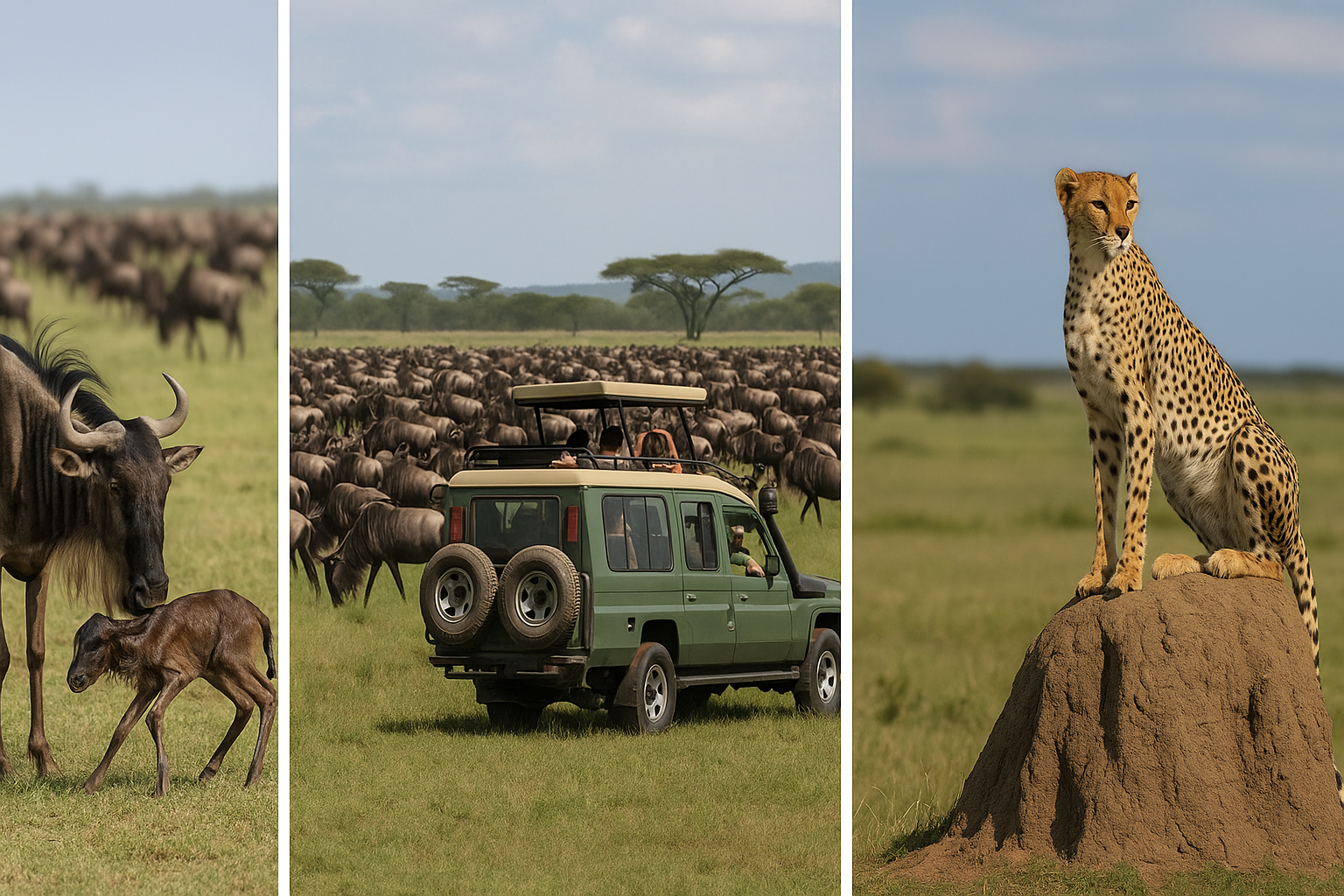
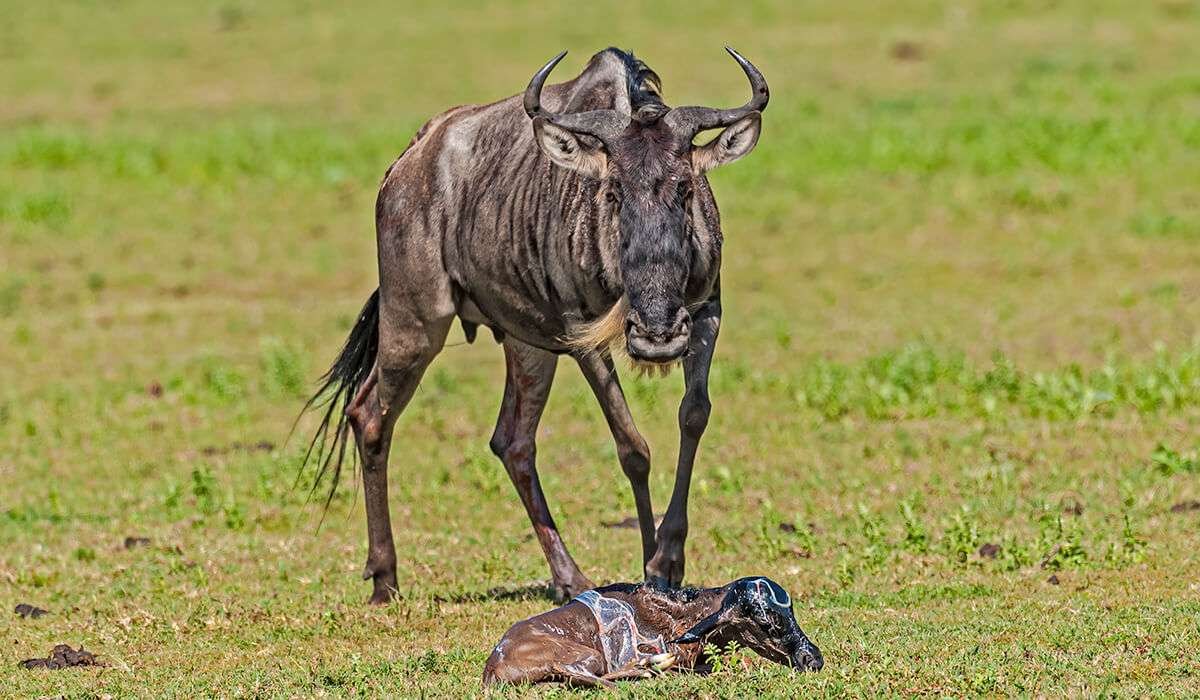
The Ndutu region, positioned between the Ngorongoro Conservation Area and the Southern Serengeti, is the focal point of one of the most extraordinary wildlife events in Africa. Each year between January and March, more than 1.5 million wildebeest and hundreds of thousands of zebras and gazelles gather on these nutrient-rich volcanic plains to give birth. Nearly half a million calves are born within a few weeks. This seasonal concentration of herbivores creates a rare ecological moment—one that attracts predators from across the ecosystem and offers unmatched viewing opportunities. For travelers seeking a safari that blends raw wildlife behavior, gentle landscapes, and deep natural spectacle, the Ndutu Calving Season Safari stands as one of Tanzania’s most powerful experiences.
Ndutu Ecology and Why the Herds Choose This Region
The ecology of Ndutu is shaped by a unique combination of short-grass plains, fertile volcanic soils, seasonal rainfall, and open visibility. These plains are rich in calcium, magnesium, and phosphorus—minerals that lactating wildebeest mothers require in high amounts after giving birth. The grasses grow fast after the short rains, creating both high nutrition and perfect visibility. Predators struggle to approach undetected because the grass remains short throughout the season. This is why pregnant wildebeest return to Ndutu every year even when rainfall patterns vary elsewhere. The land, not the climate alone, determines the calving grounds. Lake Ndutu and Lake Masek further enrich the ecosystem. Their bordering woodlands shelter leopards, hyenas, elephants, giraffes, and countless bird species. Meanwhile, marsh areas maintain permanent moisture, attracting herbivores throughout the day. This ecological diversity allows guides to follow shifts in animal concentration as the herds respond to rain, predation pressure, and grazing conditions.
Migration Logic and Movement Patterns During the Calving Season
Understanding herd movement during the calving season requires close attention to several natural signals. Guides monitor rainfall cycles, wind direction, dung density, and fresh hoof prints across the plains. The migration normally enters the Ndutu region in late December, following the short rains. By January, large herds settle between Naabi Hill, Gol Kopjes, and Lake Ndutu. February marks the true peak of the calving period. More than 8,000 calves are born each day, creating intense wildlife concentration across the plains. This rise in biomass attracts predators that move into the area from different directions. Wildebeest stay in Ndutu as long as the grass remains fresh and rich in minerals. Once the rains begin to shift north in March, the herds move toward the Southern Serengeti woodlands. They later continue into Central Serengeti as feeding conditions change. Guides who understand these signals can position guests in the right zones at the right moments. This ensures your game drives follow the natural rhythm of the migration rather than fixed routes.
Predator Dynamics and Behavior in Calving Season
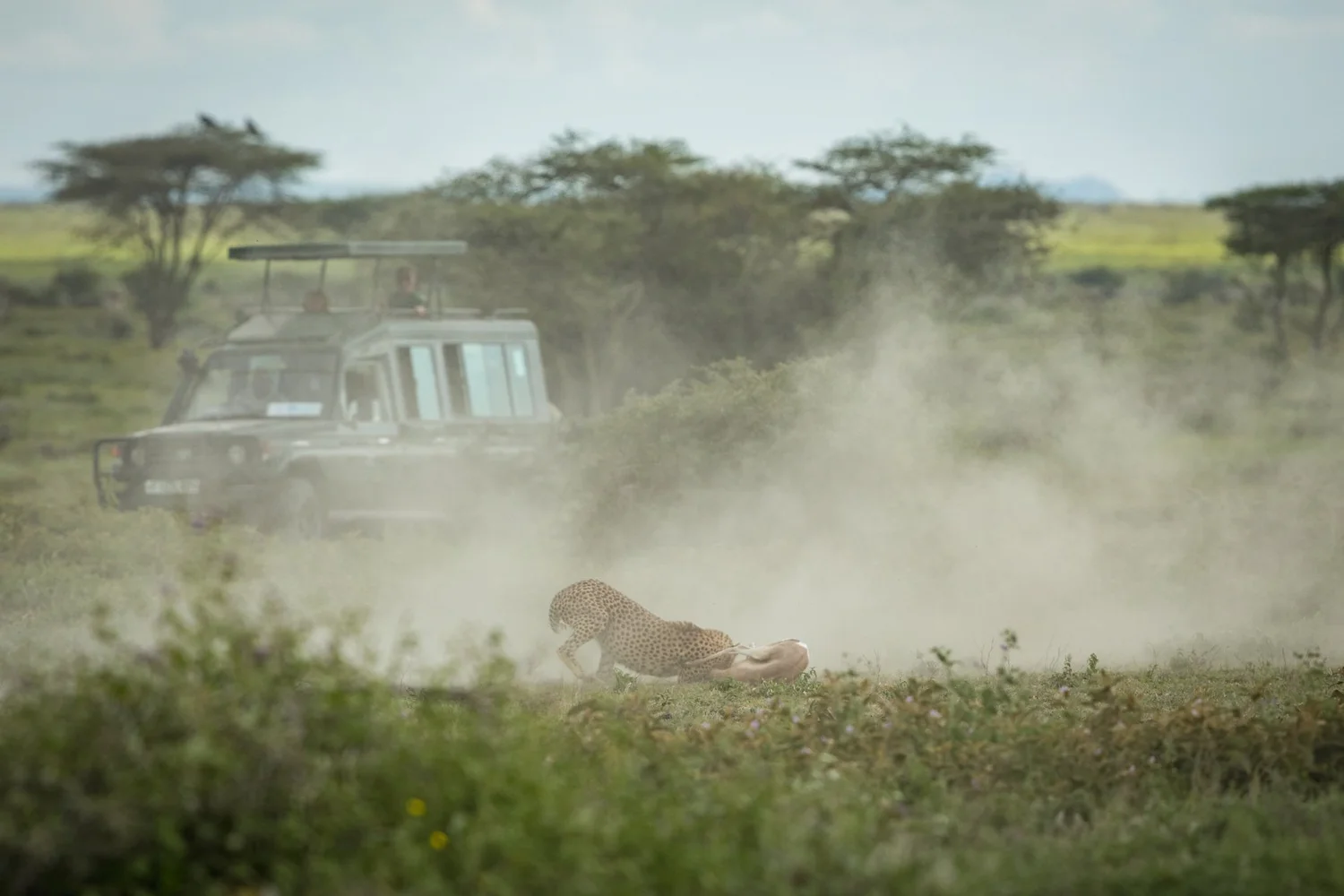
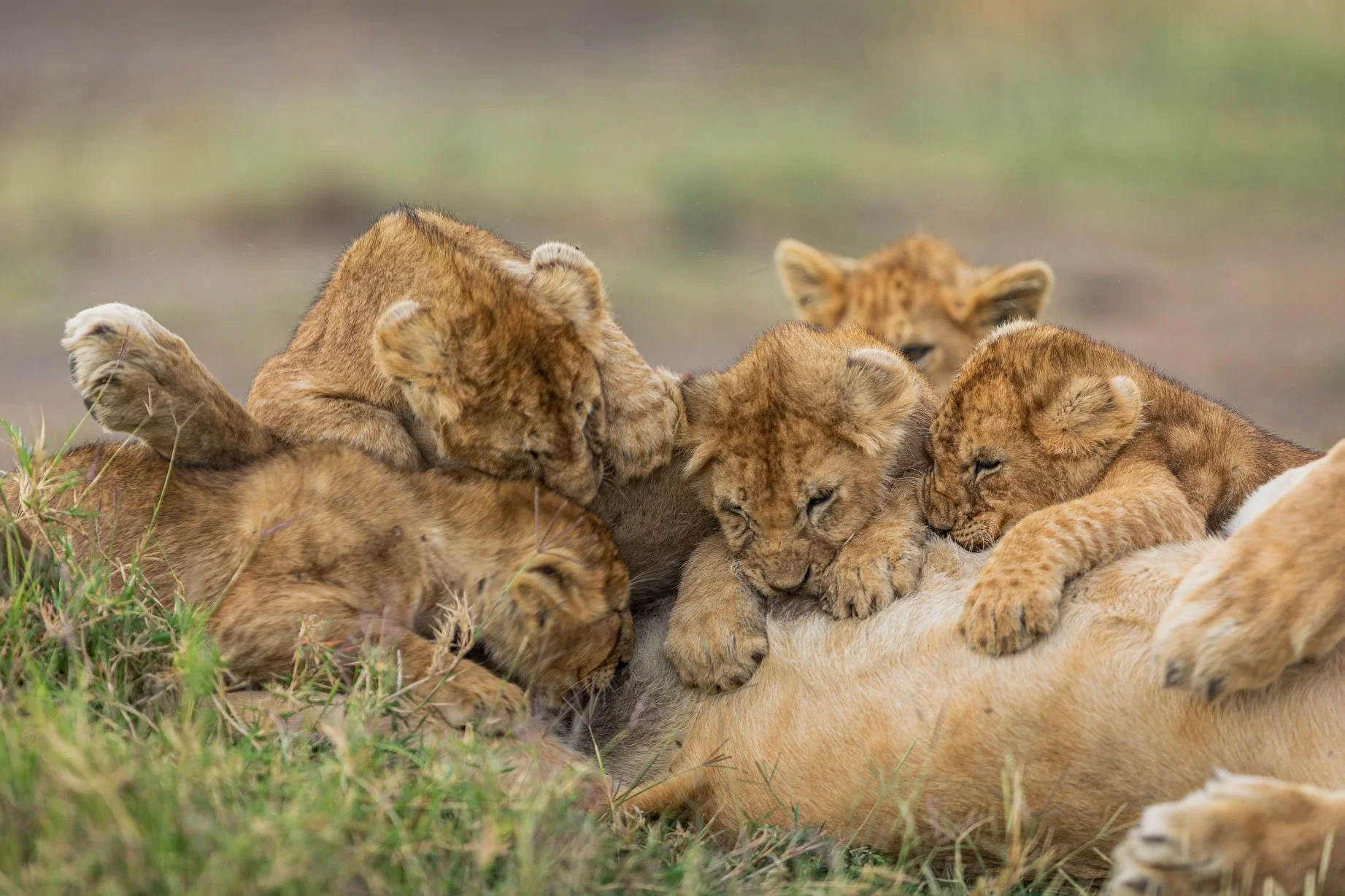
The predator-prey interactions during the calving season are some of the most intense found anywhere in Africa. Lion prides across Ndutu expand their territories during this period. Lionesses focus on ambushing vulnerable calves, usually in the early mornings when the herds begin to spread out. Cheetahs thrive here because the open plains support high-speed chases, and the abundance of young calves increases their hunting success. It is common to witness cheetah mothers teaching cubs how to stalk and chase. Hyenas operate as both hunters and opportunistic scavengers. Clan coordination increases during calving, and hyenas may even challenge lions for carcasses. Leopards, more secretive, remain concentrated in the woodlands surrounding Lake Ndutu and Lake Masek. Their behavior becomes easier to track because herbivore density increases and prey opportunities rise. Understanding predator patterns helps guides anticipate where key action will unfold each day.
Photography Conditions and Professional Insights
Ndutu offers some of the best photographic conditions in East Africa. The plains’ openness ensures clean backgrounds, while the low grass improves visibility for predators and newborn calves. Early mornings produce soft, golden light that works beautifully for silhouettes and portraits. Mid-morning light, although harsher, is excellent for capturing movement—especially when cheetahs begin to hunt. Off-road driving, permitted in designated Ndutu areas, allows positioning angles that are rarely possible elsewhere in the Serengeti ecosystem. Photographers benefit from the ability to approach at precise distances and align with directional light. Dust clouds generated by herds in dry periods add dramatic texture, while cloudy days create soft light ideal for detailed animal behavior shots. Whether using a 70–200mm lens for predator action or a 24–70mm for wide landscape scenes, Ndutu rewards both beginner and advanced photographers with rich opportunities.
Best Time to Visit Ndutu for Calving
The Ndutu calving season occurs from late December to March. The peak—where births occur most frequently and predator activity intensifies—is February. However, early January often shows the first calves, and late March still delivers strong sightings as older calves grow more confident. Travelers who want birth events, mass herds, and intense predator interactions should aim for late January through late February. Weather during this period consists of warm days, cooler evenings, and occasional short rains that refresh the plains. Cloud cover adds excellent photography light, and the terrain remains accessible due to wide open plains.
Read a full Guide on Best Time To Visit Tanzania: Month by Month Guide
Travel Logistics: Reaching and Exploring Ndutu
Ndutu is accessible both by road and by air. The drive from Arusha takes approximately six hours, passing through Mto wa Mbu, Karatu, and the Ngorongoro highlands before descending into the open plains. Travelers coming from Central Serengeti will reach Ndutu within four hours, depending on animal sightings en route. Flying is also possible, with the Ndutu Airstrip receiving scheduled flights from Arusha, Zanzibar, and Serengeti. Game drives within Ndutu cover major areas including the woodlands, Big Marsh, Small Marsh, the short-grass plains, Hidden Valley, Naabi Hill, and Gol landscapes. A private 4×4 Land Cruiser ensures that guides can follow the migration’s movements, adjust routes instantly, and position clients precisely where the action unfolds.
Guiding Expertise and Why It Matters
Ndutu is a region where guiding experience directly impacts the quality of your safari. The herds shift daily depending on rainfall, grazing pressure, and predator presence. An expert guide reads the ground—fresh tracks, flattened grass, wind direction, hyena calls, distant dust—and interprets the herd’s movement. Off-road access requires judgment to approach wildlife ethically and safely. Understanding predator territories ensures guides anticipate behavior rather than react to it. Tanzania Timeless Safaris works with guides who spend every calving season in Ndutu and know the area in detail. This field knowledge transforms your safari from a series of sightings into a cohesive wildlife story built around ecology, movement, and natural behavior.
Featured Ndutu Calving Season Itineraries
1. 4-Day Midrange Ndutu Calving Season Safari
Overview: Perfect for travelers who want a focused calving experience with a blend of Ndutu and Ngorongoro.
Flow: Day 1 Tarangire → Day 2 Ndutu → Day 3 Ndutu → Day 4 Ngorongoro → Arusha.
Read More
2. 5-Day Luxury Ndutu & Central Serengeti Safari(Fly in-Drive out)
Overview: A premium experience combining Ndutu’s calving spectacle with the sweeping landscapes of Central Serengeti.
Flow: Day 1 Tarangire → Day 2 Ndutu → Day 3 Ndutu → Day 4 Central Serengeti → Day 5 Ngorongoro → Departure.
Read More
3. 8-Day Ndutu Calving Season Photographic Safari
Overview: Designed for photographers seeking maximum time in key zones with optimal light and angles.
Flow: Day 1 Arusha → Day 2 Tarangire Day 3–4 Ndutu → Day 5–6 Central Serengeti → Day 7 Ngorongoro → Day 8 Departure.
Read More
Highlights of Ndutu Calving Season
-
Mass wildebeest births
-
Intense predator activity
-
Off-road game drives
-
Excellent photography conditions
-
Mixed habitats (marsh, plains, woodlands)
-
Calm and intimate safari atmosphere

Pros and Cons of a Ndutu Calving Season Safari
Pros
-
Unmatched calving sightings: Ndutu is the most reliable place in Africa to witness wildebeest births.
-
Exceptional predator encounters: Lions, cheetahs, hyenas, and leopards concentrate here during calving.
-
Permitted off-road access: Guides can position the vehicle strategically for closer, safer viewing.
-
Outstanding photographic conditions: Open plains, soft light, and predictable behavior offer world-class shooting opportunities.
-
High wildlife density: Large herds and active predators gather in a compact, easy-to-explore area.
Cons
-
Unpredictable weather: Short rains can shift conditions quickly and influence animal movement.
-
Timing depends on rainfall: Calving dates vary slightly each year based on the arrival of seasonal rains.
-
Peak-season crowds: February attracts more visitors due to high wildlife activity.
What to Pack for a Ndutu Calving Season Safari
Packing for Ndutu requires a balance of comfort, practicality, and preparedness for changing conditions. The calving season brings warm days, cool mornings, and occasional showers, so the right gear ensures you enjoy every moment—from early births on the plains to predator action in the afternoon. Below are the essentials you should bring to get the best out of your safari experience.
Essential Packing List
-
Camera with 70–200mm or 100–400mm lens: Ideal for capturing both close predator action and wide herds on the plains.
-
Extra memory cards and batteries: The volume of sightings during calving season means you will take more photos than expected.
-
Light rain jacket: Short rains can appear quickly, especially in January and February.
-
Neutral-colored clothing: Earth tones reduce animal disturbance and keep you comfortable in the heat.
-
Binoculars: Helpful for spotting predators and tracking herd movement across open plains.
-
Sunscreen and hat: The sun can be strong during midday drives.
-
Power bank: Keeps your camera and phone charged during long days in the field.
Explore more on Tanzania Safari Packing List.
FAQ
Is Ndutu safe?
Yes. The terrain is open and easy to navigate, and guides are trained to operate safely around wildlife.
How many days should I spend in Ndutu?
Two to three full days provide the best chance to witness births and predator action.
Is off-road driving allowed?
Yes, but only in specific areas under Ngorongoro regulations.
When is the exact peak?
February offers the highest number of births and predator events.
Why Ndutu calving Season safari with Tanzania Timeless Safaris
You travel with guides who know Ndutu intimately and follow the migration with precision. Your journey is planned with care, backed by vehicles equipped for long days in the field, and supported by camps positioned in prime calving zones. You benefit from clear communication, grounded expertise, and a safari experience shaped around your interests—whether photography, wildlife behavior, or relaxed exploration. With Tanzania Timeless Safaris, you see Ndutu not as a destination but as a living ecosystem moving with rhythm and purpose.
Ready to Book Your Calving Season Safari?
Ndutu offers one of Africa’s most unforgettable wildlife moments — and your journey deserves expert planning.
Book your Ndutu Calving Season Safari with Tanzania Timeless Safaris today and travel with a team that knows the region in depth. Contact Us Now!!!
Before you decide, feel free to explore what our guests say:
Read our TripAdvisor and SafariBookings reviews and see why travelers trust us with their once-in-a-lifetime safari experiences.