
Climb Mount Kilimanjaro
Africa's highest peak at 5,895 metres. The Roof of Africa. A once-in-a-lifetime achievement guided by Tanzania's most experienced local mountaineering team.
Why Climb Kilimanjaro With Us
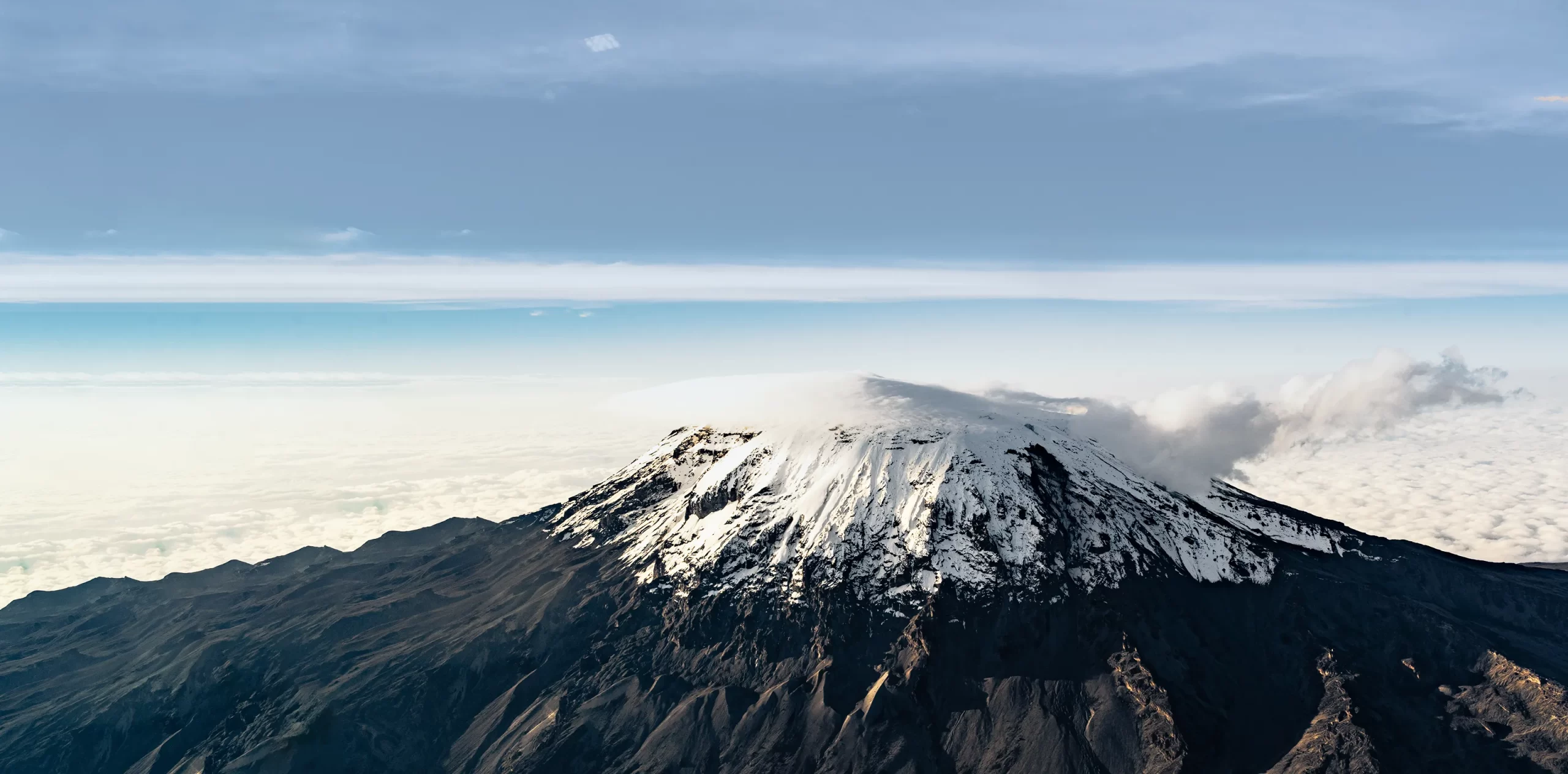
Standing at 5,895 metres, Mount Kilimanjaro is the highest peak in Africa and one of the most iconic trekking destinations in the world. Unlike technical mountain climbs, Kilimanjaro requires no climbing experience — just determination, the right preparation, and the right team beside you.
A Journey Through Five Climate Zones
From lush rainforests and alpine meadows to rocky highlands and snow-capped peaks, every step on Kilimanjaro reveals a completely new landscape. In fact, no other mountain on earth takes you through five distinct climate zones in a single trek. Our expert local guides and experienced porters, therefore, ensure your climb is safe, well-supported, and truly unforgettable.
A Moment That Stays With You for Life
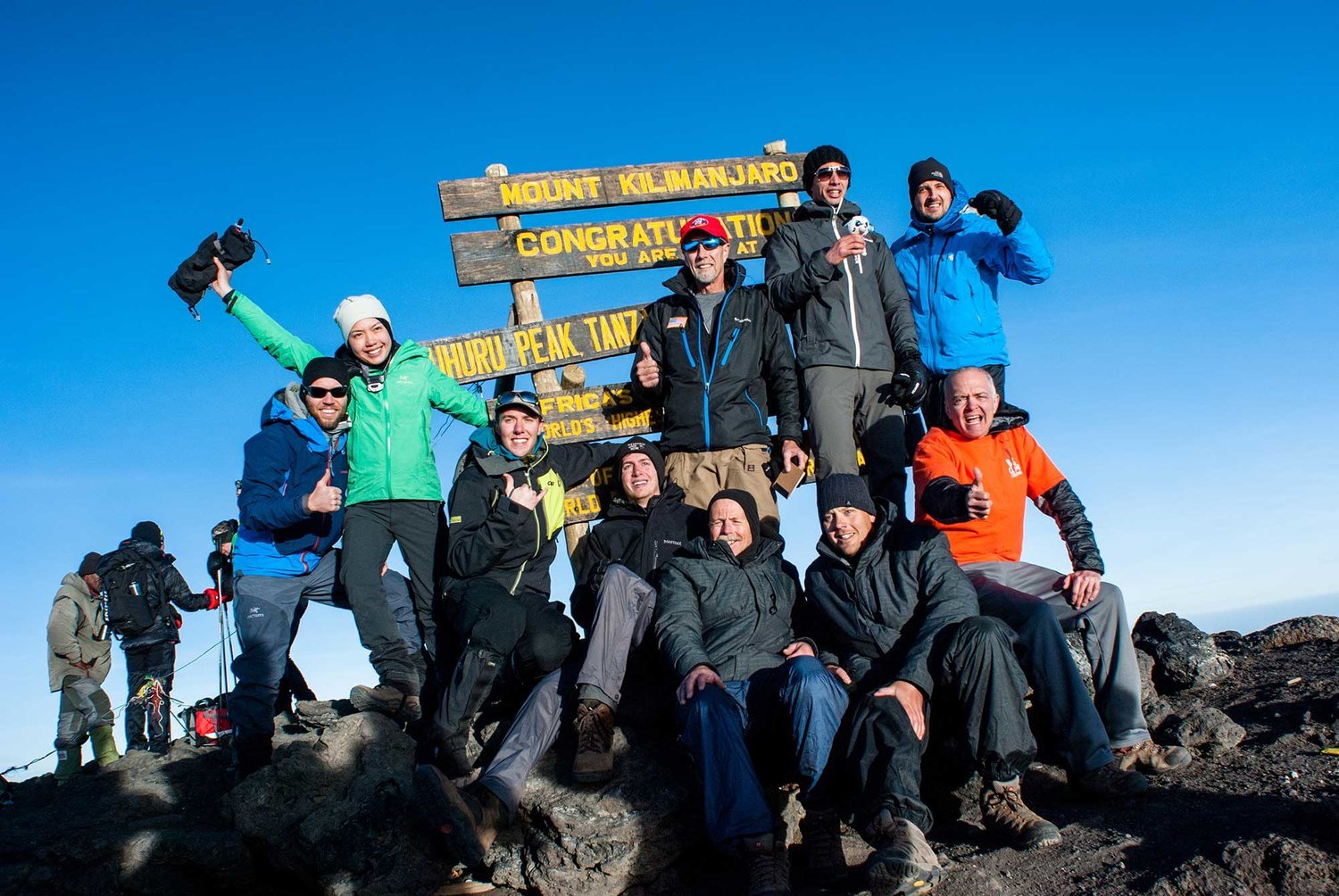
Reaching Uhuru Peak and watching the sunrise from above the clouds is an experience no photograph can fully capture. As the vast African plains stretch below you, a deep sense of achievement takes over. Consequently, most climbers describe it as the single most powerful moment of their lives.
Plan Your Kilimanjaro TrekCamp by Camp — Your Path to Uhuru Peak
Select your route below and follow the journey — from the rainforest gate all the way to the Roof of Africa. Each camp, moreover, tells a completely different story about the mountain and the people who climb it.
The 7-Day Machame Route — Day by Day
 Day 1 · Start
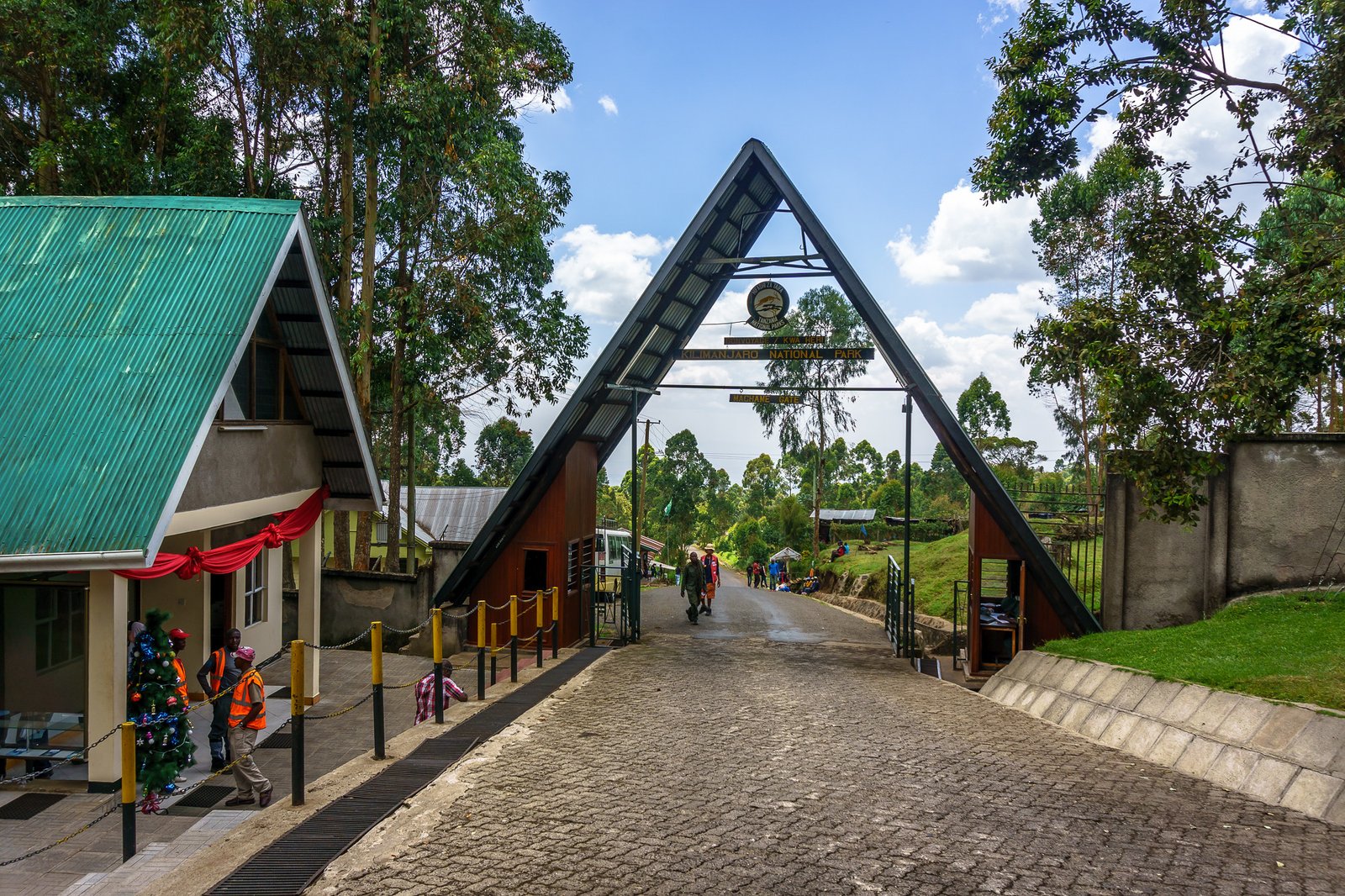
Your journey begins at Machame Gate on the southern slopes of Kilimanjaro. From here, the trail winds steeply through lush montane rainforest — home to colobus monkeys, exotic birds and towering trees draped in moss. After 5–7 hours of trekking, you arrive at Machame Camp for your first night under the stars at 3,010m. In other words, Day 1 is where the adventure truly begins.
 Day 2
Day 2
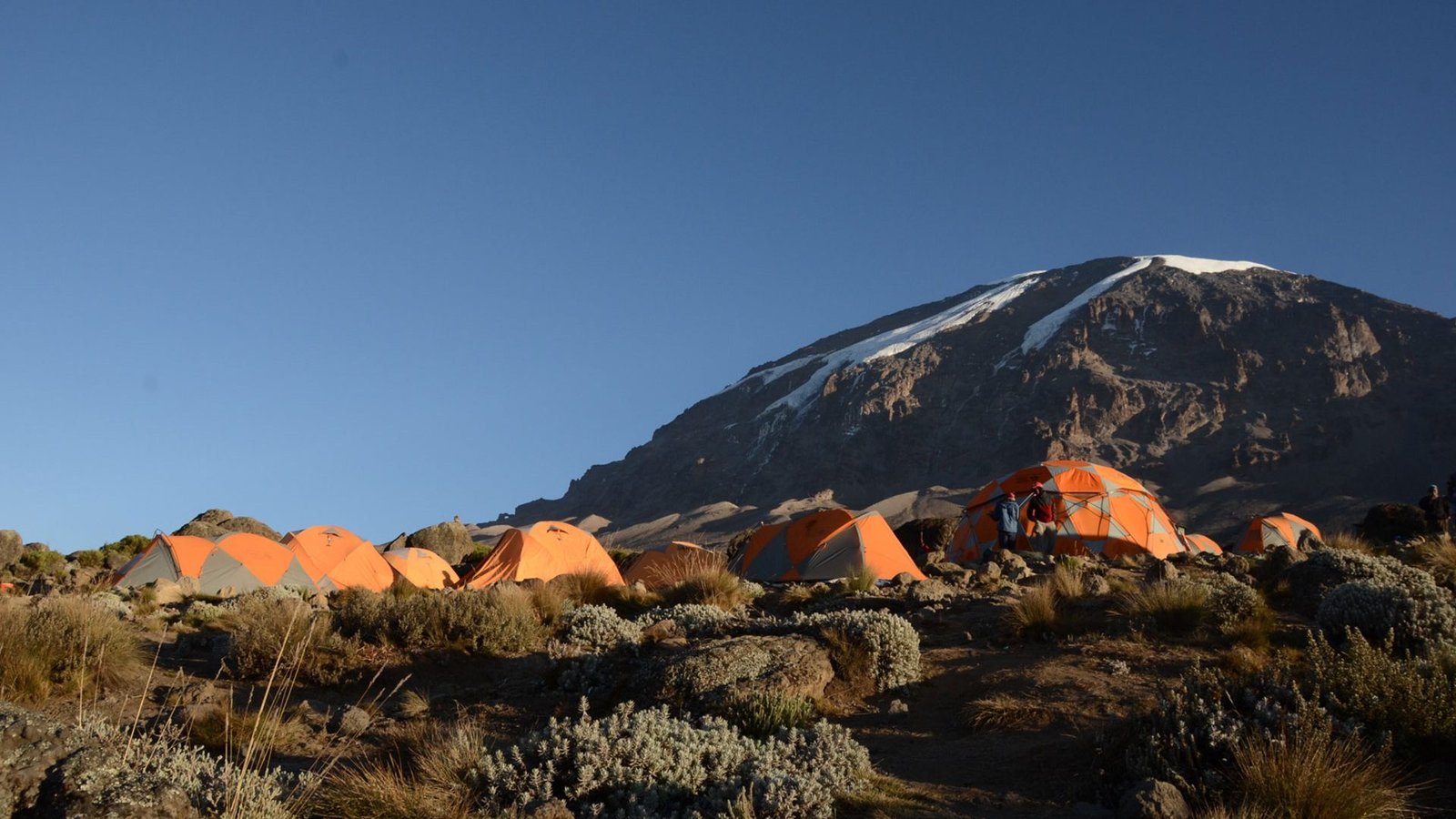
Beyond the rainforest, the trail gives way to open moorland as you climb onto the spectacular Shira Plateau. Giant groundsels and lobelias begin to appear, creating an otherworldly landscape. Furthermore, your first clear views of Kibo Peak and distant Mount Meru reward the climb magnificently. Tonight you sleep above 12,000ft for the first time.
 Day 3 · Key Acclimatisation
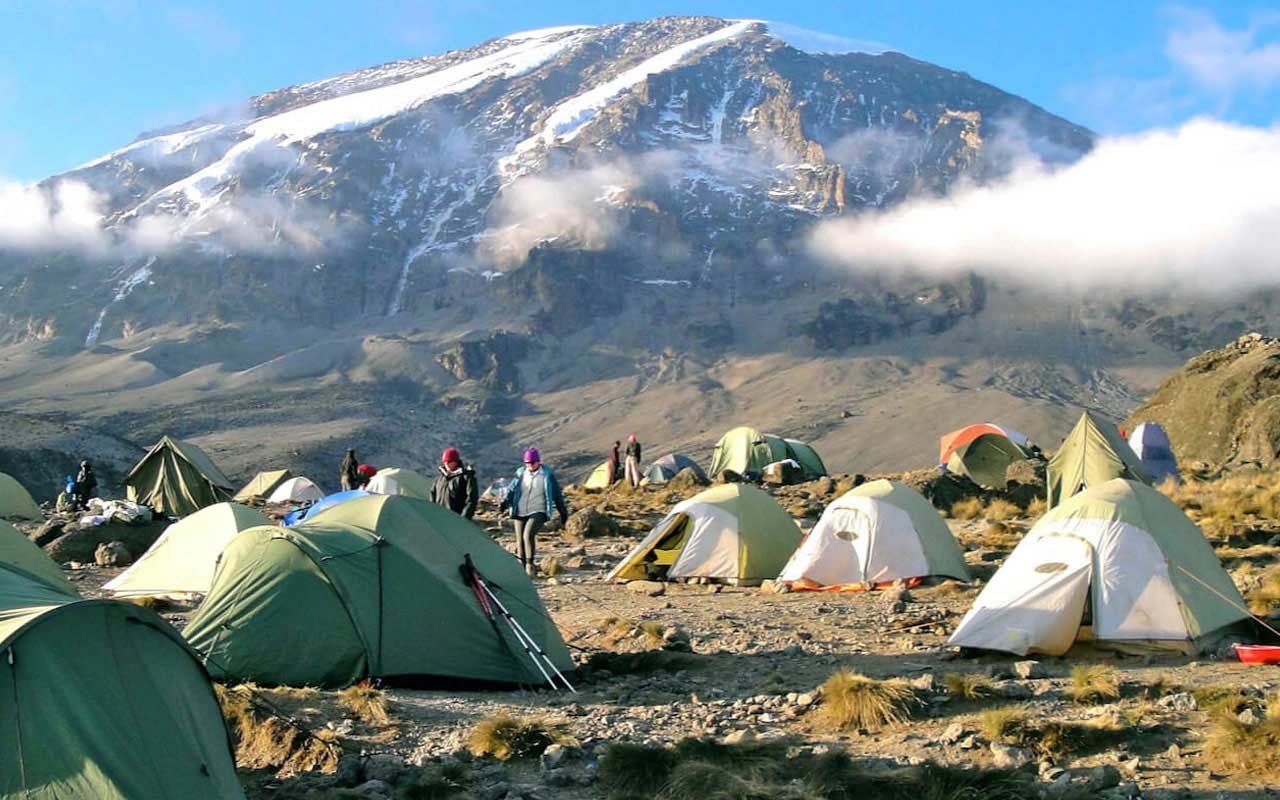
Without doubt, this is the most important acclimatisation day of the entire climb. You first ascend high to the Lava Tower at 4,630m, then descend into the lush Barranco Valley. Known as "climb high, sleep low", this approach triggers your body to produce more red blood cells without the strain of sleeping at altitude. As a result, your acclimatisation improves significantly for the summit push ahead.
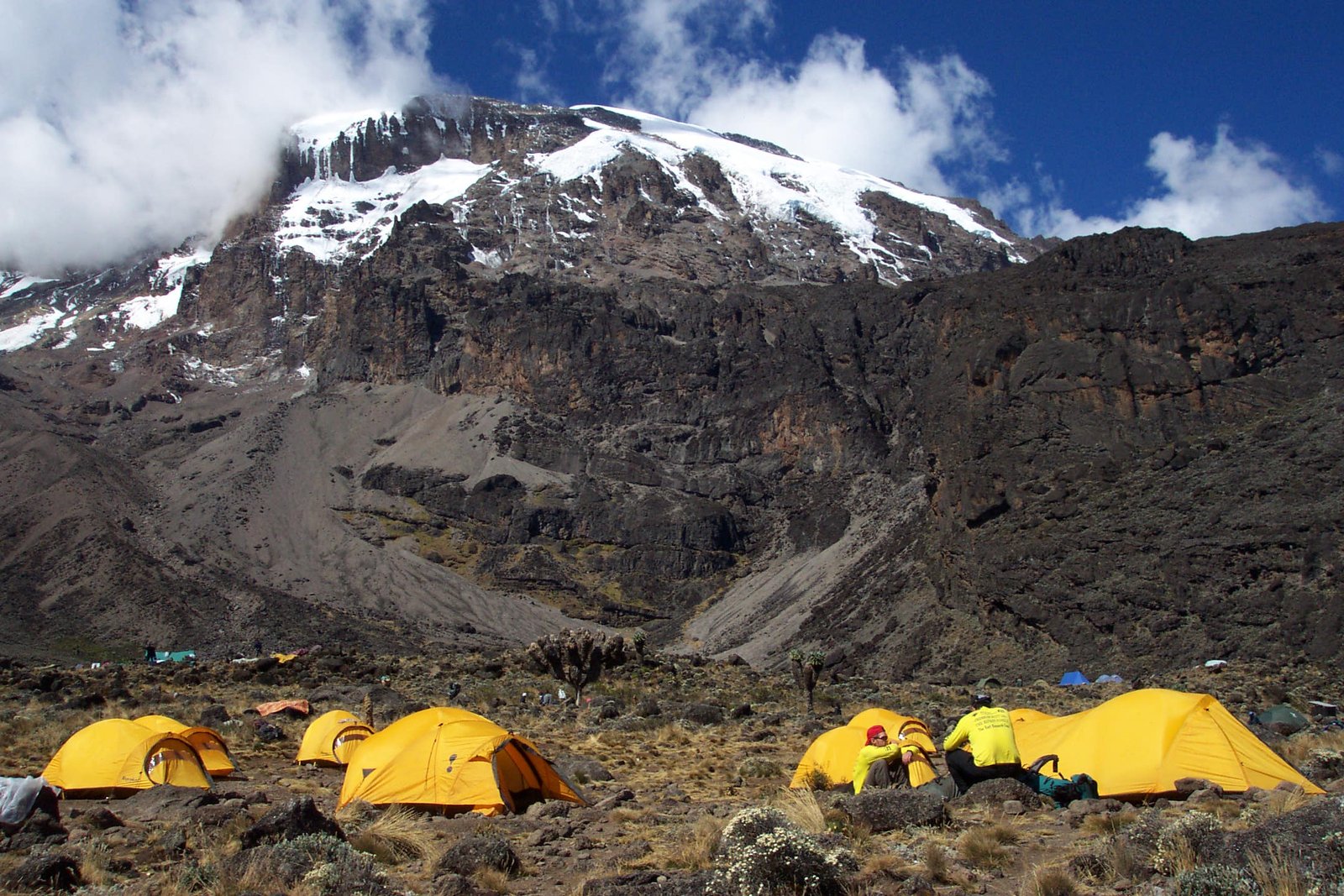 Day 4 · The Barranco Wall
Today's highlight is the iconic Barranco Wall — a dramatic cliff face that looks intimidating but is completely manageable with our expert guides. Once you reach the top, you are above the clouds with panoramic views of Kilimanjaro's Southern Ice Fields. Moreover, this moment signals clearly that you are well on your way to the summit.
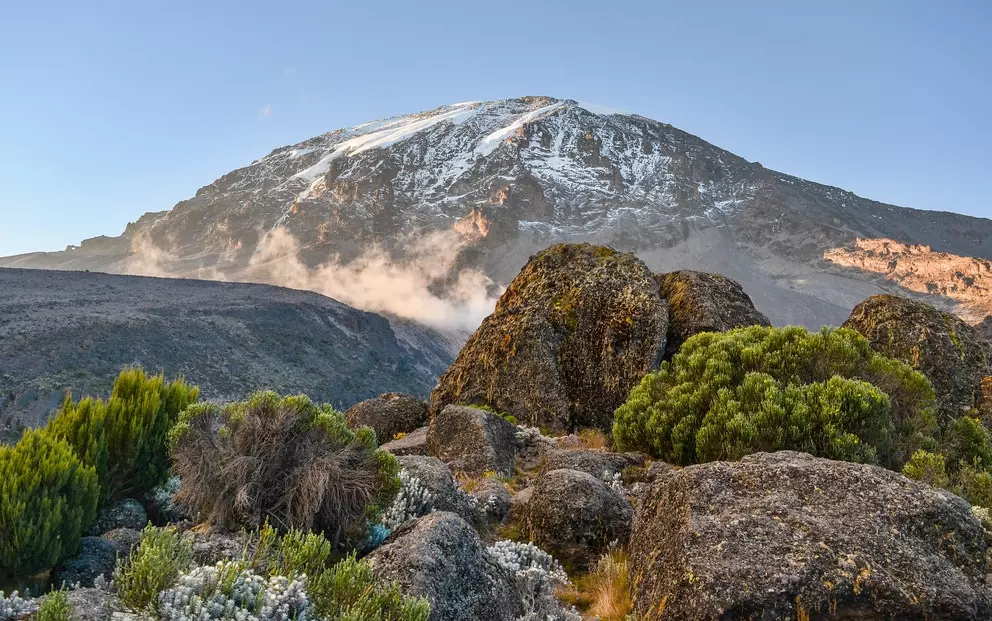 Day 5 · Final Base
Barafu Camp is your final base before the summit push. The landscape here is barren, cold and windswept — nevertheless, spirits are always high at this point.
You arrive in the early afternoon and rest until dinner. After eating a warm meal, you sleep early, because at midnight your guides wake you for the most important push of your life. The stars above Kilimanjaro at this altitude are, above all, utterly unforgettable.
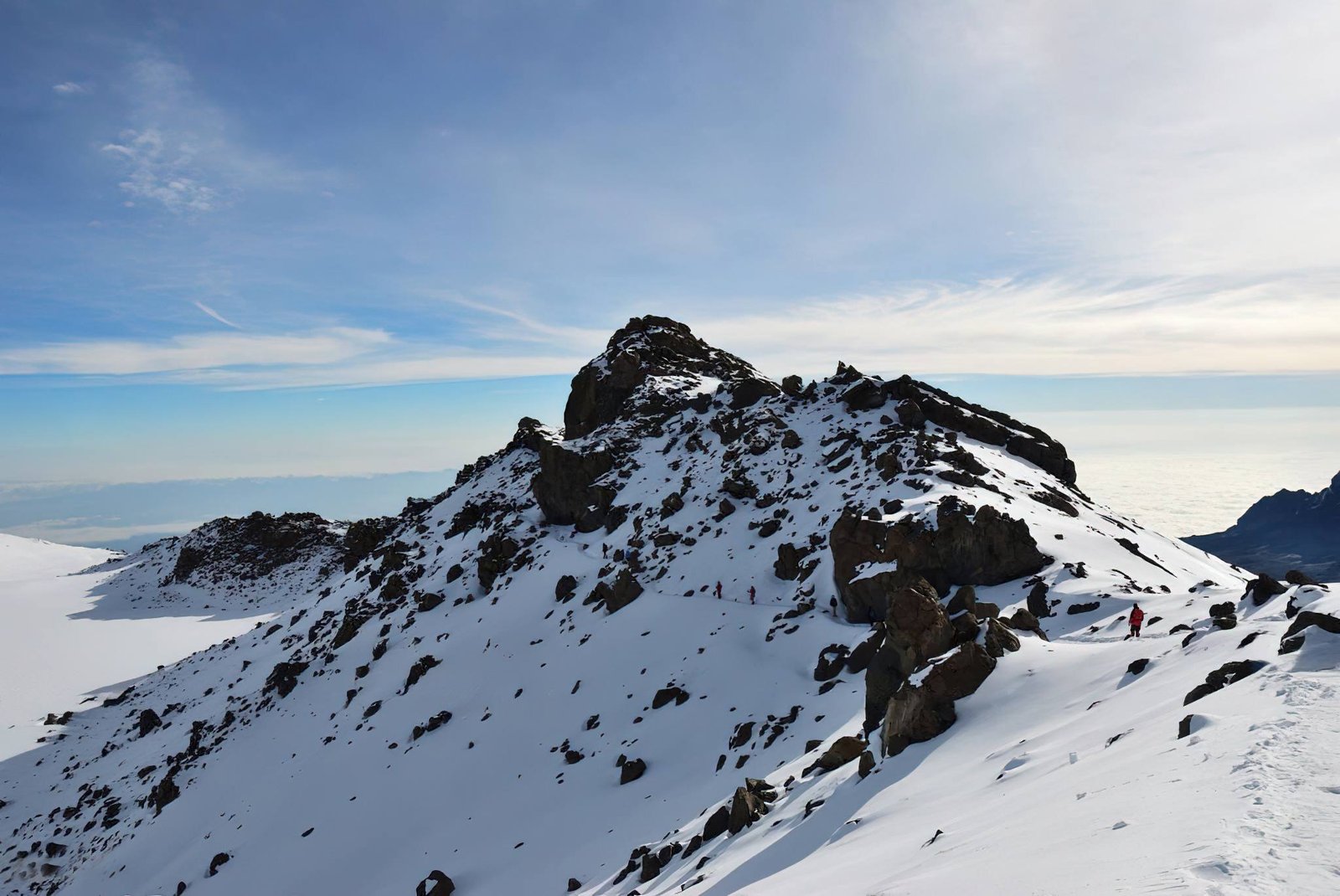 Day 6 · SUMMIT DAY
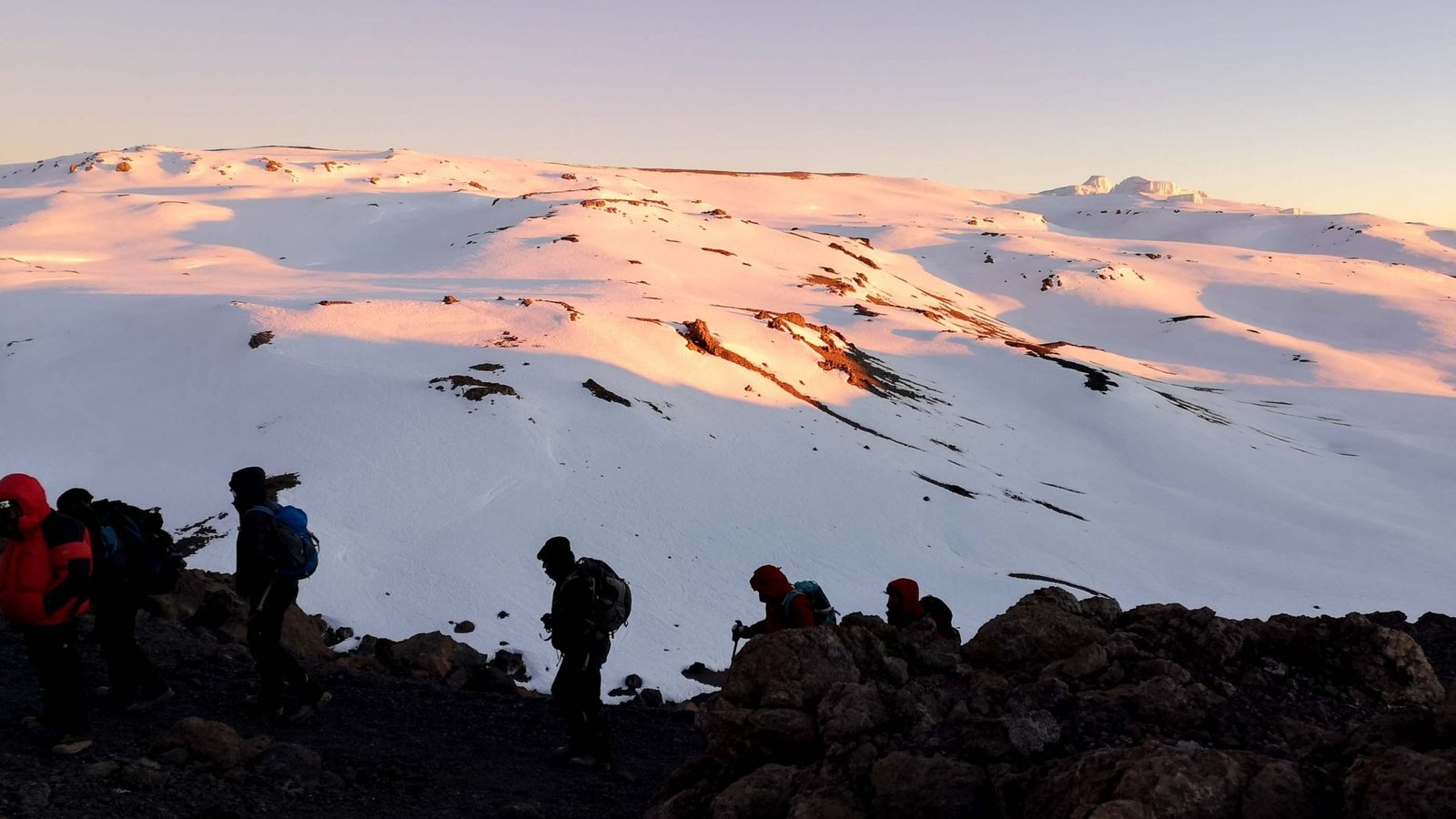
Starting at midnight under a sky full of stars, you begin the most important push of your life. The air is thin and the cold is intense — however, every step brings you closer to the goal. At Stella Point on the crater rim, the sunrise explodes over Mawenzi Peak in one of the most breathtaking moments in the world. From there, the final hour leads to Uhuru Peak — the Roof of Africa. You made it. The moment of a lifetime.
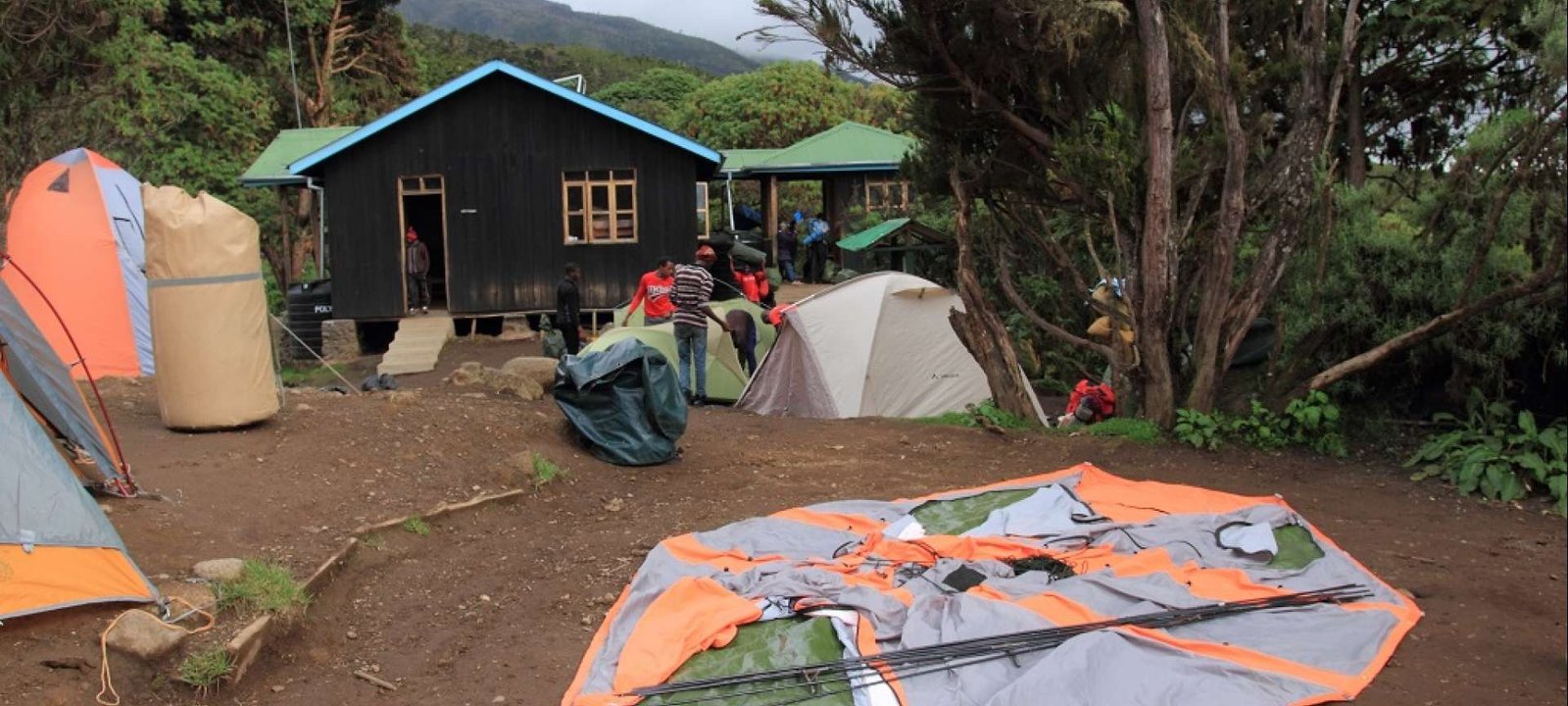 Day 7 · Descent
After a well-earned rest at Mweka Camp, you descend through the rainforest to Mweka Gate. There, your guides present you with your official summit certificate — gold for Uhuru Peak, green for Stella Point. Subsequently, it's back to Arusha for a hot shower, a cold drink, and the deep satisfaction of having conquered Africa's highest mountain.
Lemosho Route — The Most Beautiful Way Up
Duration: 7–8 days · Difficulty: Challenging · Accommodation: Camping · Success Rate: Very High
Widely considered the most scenic route on Kilimanjaro, the Lemosho starts from the remote western Lemosho Glades. Unlike other routes, it passes through pristine wilderness before joining the Machame trail at the Shira Plateau. Furthermore, the longer duration gives excellent acclimatisation and one of the highest summit success rates of any route. Consequently, it is ideal for those who want the full Kilimanjaro experience — more time, more scenery, more memories.
Route highlights: Remote rainforest start with possible elephant and buffalo sightings · Vast Shira Plateau views · Dramatic Barranco Wall · High summit success rate · Fewer crowds on early days
Book Lemosho Route →Marangu Route — The Classic Comfortable Route
Duration: 5–6 days · Difficulty: Moderate · Accommodation: Mountain Huts · Best for: Comfort seekers
The oldest and most established trail on Kilimanjaro — and also the only route with hut accommodation instead of tents. Known as the "Coca-Cola Route", it is therefore the most comfortable path up the mountain. However, fewer acclimatisation days means a lower summit success rate compared to longer routes. As a result, it is best suited to those who prioritise comfort over summit probability.
Route highlights: Dormitory hut accommodation — no tents needed · Shortest route to summit · Well-marked established trail · Same descent path as ascent · Ideal for those with limited camping experience
Book Marangu Route →Rongai Route — The Quiet Northern Trail
Duration: 6–7 days · Difficulty: Moderate · Accommodation: Camping · Best for: Quieter experience
The only route approaching Kilimanjaro from the north, near the Kenyan border. In contrast to southern routes, it is significantly drier and less crowded, offering completely different scenery and a unique perspective of the mountain. Moreover, the gentle and steady ascent is ideal for those who prefer a quieter, more remote experience. It is particularly recommended during the rainy season, when southern routes can be wet and slippery.
Route highlights: Least crowded major route · Unique views of Kenya's plains · Drier conditions year-round · Gentle, steady ascent profile · Good for rainy season climbing
Book Rongai Route →Umbwe Route — For Experienced Climbers Only
Duration: 5–6 days · Difficulty: Very Challenging · Accommodation: Camping · Best for: Experienced trekkers
The steepest and most direct path up Kilimanjaro, the Umbwe Route ascends rapidly through dense rainforest on a very narrow, steep ridge. While it is dramatic and remote, offering a true sense of adventure, the rapid ascent gives the body very little time to acclimatise. As a result, it has a significantly lower summit success rate than other routes. Therefore, it is only recommended for highly experienced trekkers with previous high-altitude experience.
Route highlights: Most direct and challenging route · Dramatic ridge climbing · Remote wilderness feel · True sense of adventure · Very few other trekkers
Book Umbwe Route →Everything You Need to Know
Expert advice from our guides on the ground — written to help you prepare for the climb of your life.
Book Your Kilimanjaro Trek
Our Arusha-based mountaineering team will guide you every step of the way — from route selection and training advice to summit day and safe descent. Your Uhuru Peak moment starts here.
Plan My Kilimanjaro Climb →