
Discover When Tanzania Shines
Tanzania is a year-round destination, each month offering its own magic. From the dramatic Great Migration in the Serengeti to peaceful moments in Ngorongoro Crater or Tarangire’s elephant gatherings, every season tells a different story.
This guide helps you choose the best time for your Tanzania safari, depending on what you want to see and experience.
So when is the best time to visit? Quick Answer
If you’re short on time, here’s the essence:
Best for Great Migration River Crossings (July–October)
The northern Serengeti explodes with action as wildebeest cross the Mara River. Dry conditions make wildlife viewing easy, skies are clear, and roads are smooth. This is peak season — incredible but busy.
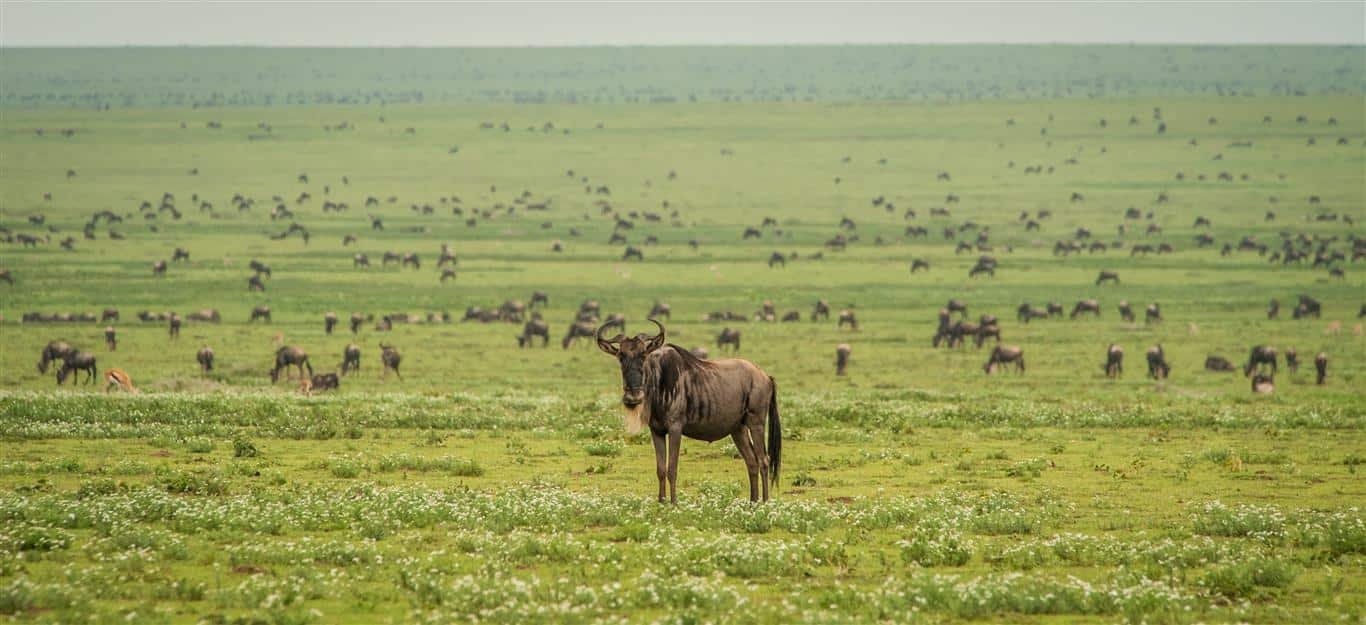
Best for Calving in Ndutu (January–March)
Southern Serengeti (Ndutu area) becomes a nursery for hundreds of thousands of newborn wildebeest. Predators are everywhere, light is soft, and prices are friendlier than in the dry season. It’s perfect for photographers and wildlife lovers.
Best for Fewer Crowds and Lower Prices (April–May, November)
These months mark the green or shoulder season. Expect lush landscapes, newborn animals, and discounted rates. Afternoon showers come and go, but safaris remain excellent.
Month-by-Month Calendar
Each month in Tanzania offers something unique. Here’s a short overview to guide your planning:
| Month | Highlights |
|---|---|
| January | Calving begins in Ndutu; predators active; warm weather. |
| February | Peak of calving; great for photography; less crowded. |
| March | Green plains; last calving herds; short rains start late month. |
| April | Low season; heavy rain possible; lush scenery and solitude. |
| May | Fewer visitors; herds start moving north; great birdlife. |
| June | Migration gathers in western Serengeti; dry season begins. |
| July | River crossings in north; cool and clear weather. |
| August | Peak migration action; excellent for big cats. |
| September | Fewer crowds; crossings continue; perfect climate. |
| October | Still dry; wildlife near rivers; start of shoulder season. |
| November | Short rains bring green grass; elephants in Tarangire. |
| December | Festive season; migration heads south; perfect for family safaris. |
Park-by-Park Highlights
Serengeti National Park
Each region of the Serengeti offers its own rhythm:
-
Central (Seronera): Good year-round; big cats are always present.
-
Western Corridor: Best from May to July during the Migration movement.
-
Northern Serengeti: Ideal from July to October for the famous river crossings.
-
Ndutu (Southern Serengeti): Magical from January to March for calving season.
Ngorongoro Crater
The Crater is beautiful all year. Visibility is best in the dry months (June–October), but the green season (Nov–May) brings rich colors and active wildlife.
Tarangire National Park
From July to October, elephants gather around the Tarangire River. The park feels wild and authentic, ideal for those seeking fewer crowds.
Lake Manyara National Park
A wonderful stop between Tarangire and Ngorongoro. Expect tree-climbing lions, flocks of flamingos, and rich forests, especially from November to June.
Prices & Crowds by Season
| Season | Months | Description | Price Level |
|---|---|---|---|
| Green Season | April–May | Rainy but lush; great for photography and privacy. | 💲 Lowest |
| Shoulder Season | Nov–Dec, Mar | Mild weather, fewer visitors, strong value. | 💲💲 Moderate |
| Peak Season | Jun–Oct, Jan–Feb | Dry, excellent wildlife, perfect skies. | 💲💲💲 Highest
|
Practical Notes
-
Weather: Tanzania’s dry season runs from June to October. The green season brings short rains (Nov–Dec) and long rains (Apr–May).
-
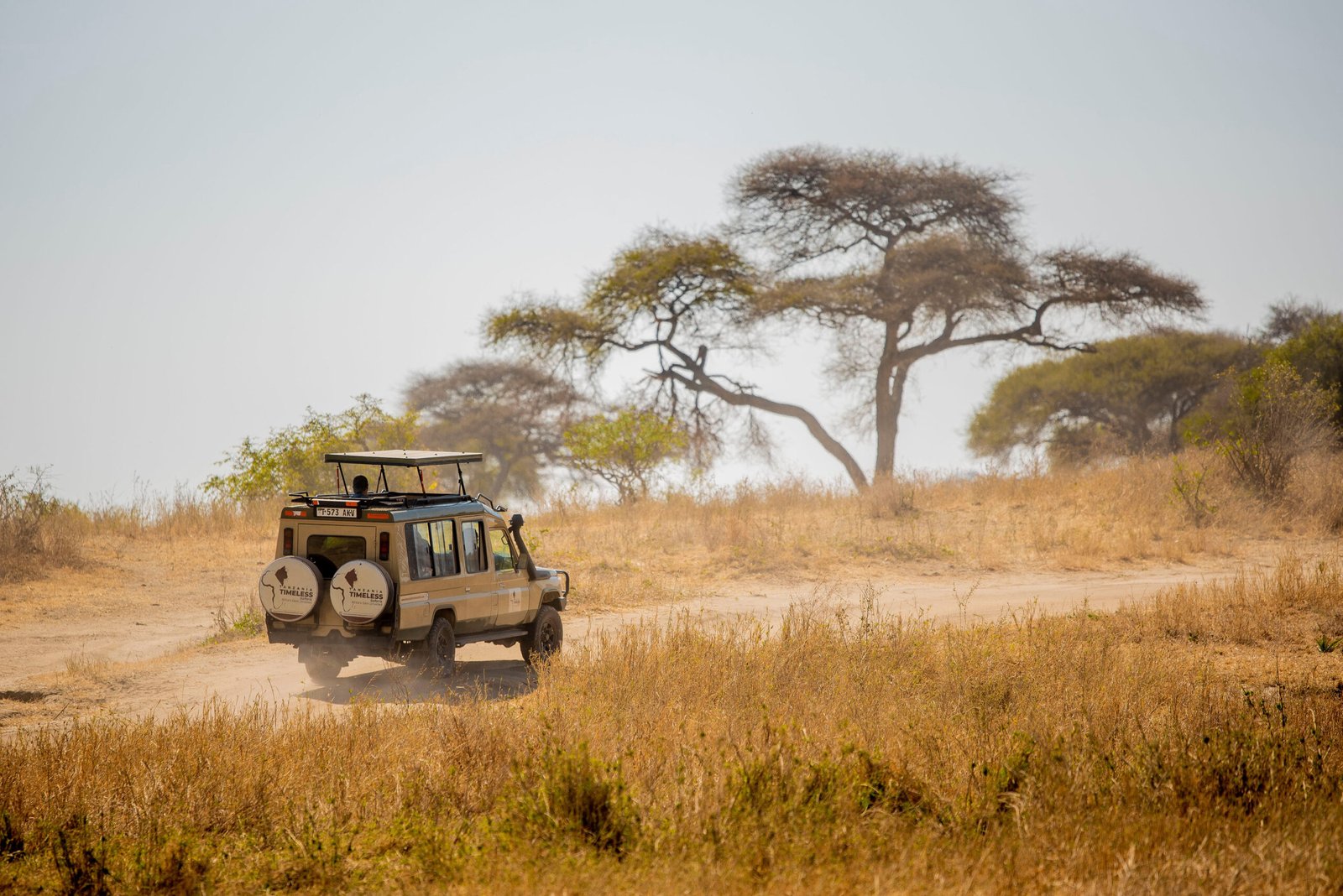
Roads: Main routes stay passable; remote tracks may require a 4×4 during rains.
-
Flights: Daily connections from Arusha to Serengeti, Ruaha, and Zanzibar operate year-round.
-
Health: Carry mosquito repellent and follow malaria precautions.
-
Packing: Bring layers—mornings can be cool, afternoons warm.
When to Visit Zanzibar for a Beach Holiday
After your safari, Zanzibar offers the perfect tropical escape. The island enjoys warm weather year-round, but the best months for beach holidays are June to October when skies are clear, humidity is low, and the ocean is calm for snorkeling and diving. The December to February period also brings sunny days and lively island vibes — ideal for couples and honeymooners. Short rains may fall in April and May, yet prices drop and beaches stay peaceful. Whether you prefer calm luxury or vibrant culture in Stone Town, Zanzibar shines in every season, completing your Tanzania adventure with turquoise waters and white-sand serenity.
Ready to Plan Your Safari?
Every traveler is different. Our local experts will help you choose the perfect month, route, and lodges based on your interests and budget.
Get a Personal Safari Recommendation
or chat directly on WhatsApp with our safari planner.
Local Expertise, Timeless Experience
At Tanzania Timeless Safaris, we’ve guided travelers through Tanzania’s seasons for years.
Whether you dream of a private 7-day adventure or a luxury Migration safari, our team knows exactly where the wildlife will be — and when.
FAQ – Best Time to Visit Tanzania
Q1. Is April a bad time to visit Tanzania?
Not at all. It’s rainy, but landscapes are lush and prices are lower. If you don’t mind some showers, it’s peaceful and rewarding.
Q2. When is the Great Migration in Tanzania?
It happens all year, moving through different regions. Calving occurs in Ndutu (Jan–Mar); river crossings happen in Northern Serengeti (Jul–Oct).
Q3. What months are best for families?
June to October and December are ideal — dry weather, smooth roads, and plenty of wildlife.
Q4. Is it cheaper to travel in the green season?
Yes, lodges offer up to 30–40% discounts from April to May, with fewer tourists.
Q5. When is the best time for photographers?
January–March for calving, and August–October for dust, light, and drama.
Local Expertise, Timeless Experience
At Tanzania Timeless Safaris, we’ve guided travelers through Tanzania’s seasons for years.
Whether you dream of a private 7-day adventure or a luxury Migration safari, our team knows exactly where the wildlife will be — and when.