
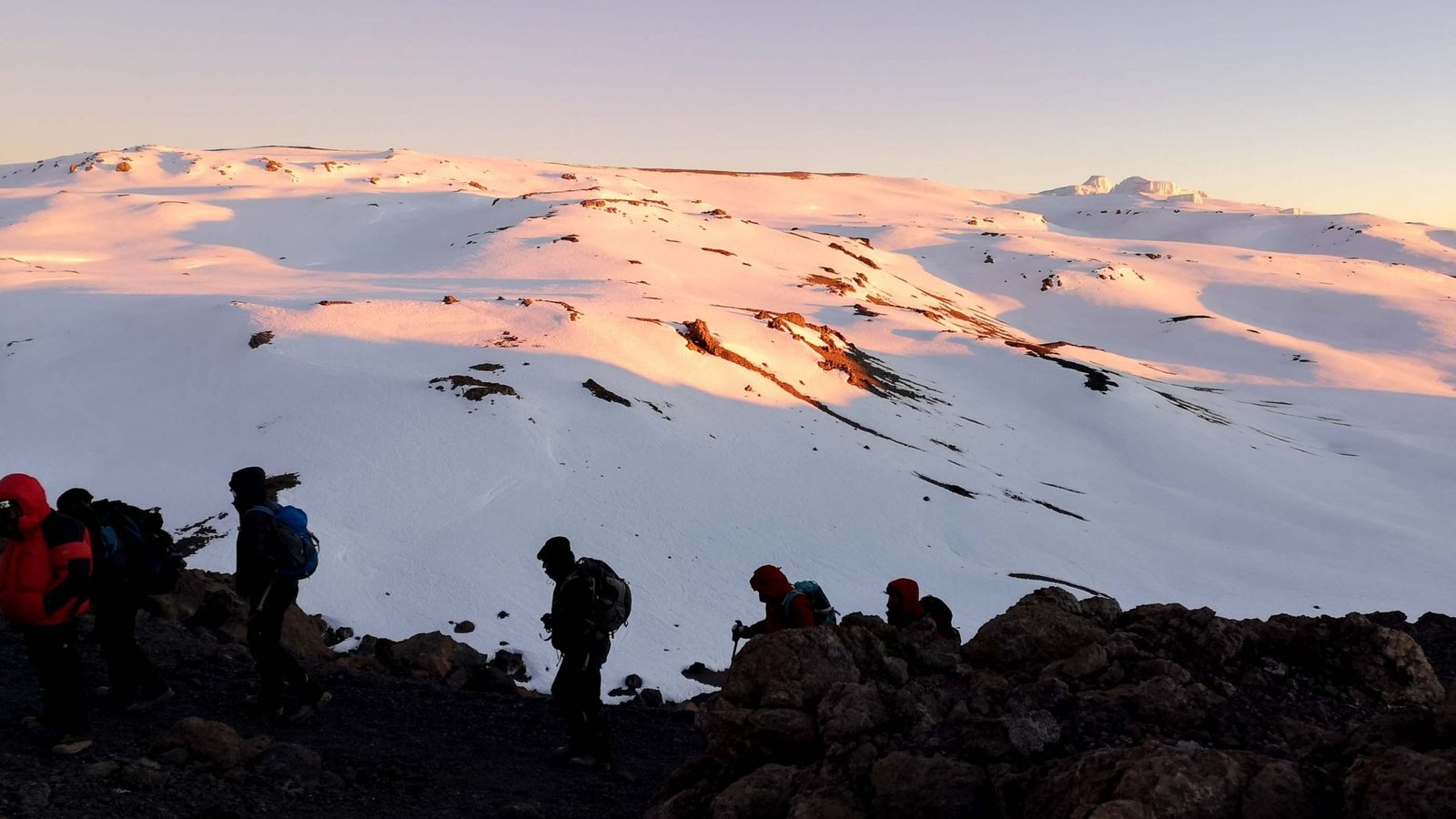
How Hard Is It to Climb Mount Kilimanjaro?
Climbing Mount Kilimanjaro is a journey that changes how you see the world — and yourself.
Rising 5,895 meters above sea level, Africa’s highest peak is more than a mountain. It is a symbol of endurance, beauty, and achievement.
Many travelers wonder how hard it really is to climb.
The answer depends on preparation, patience, and spirit.
Though Kilimanjaro requires no ropes or technical skills, it demands steady determination, the right pace, and respect for altitude.
This Tanzania travel guide explores what makes the climb achievable and rewarding — from choosing your route to preparing your body and mind.
Understanding the Challenge
Kilimanjaro is a test of endurance rather than technique. The terrain itself is gentle, but altitude brings the real challenge.
As you ascend, oxygen levels drop. Your body needs time to adjust. The secret is to go slowly, stay hydrated, and listen to your guide.
Each year, thousands of adventurers reach the summit — hikers, families, even first-time climbers. With the right mindset and preparation, almost anyone can stand at Uhuru Peak, the Roof of Africa.
Choosing the Right Route
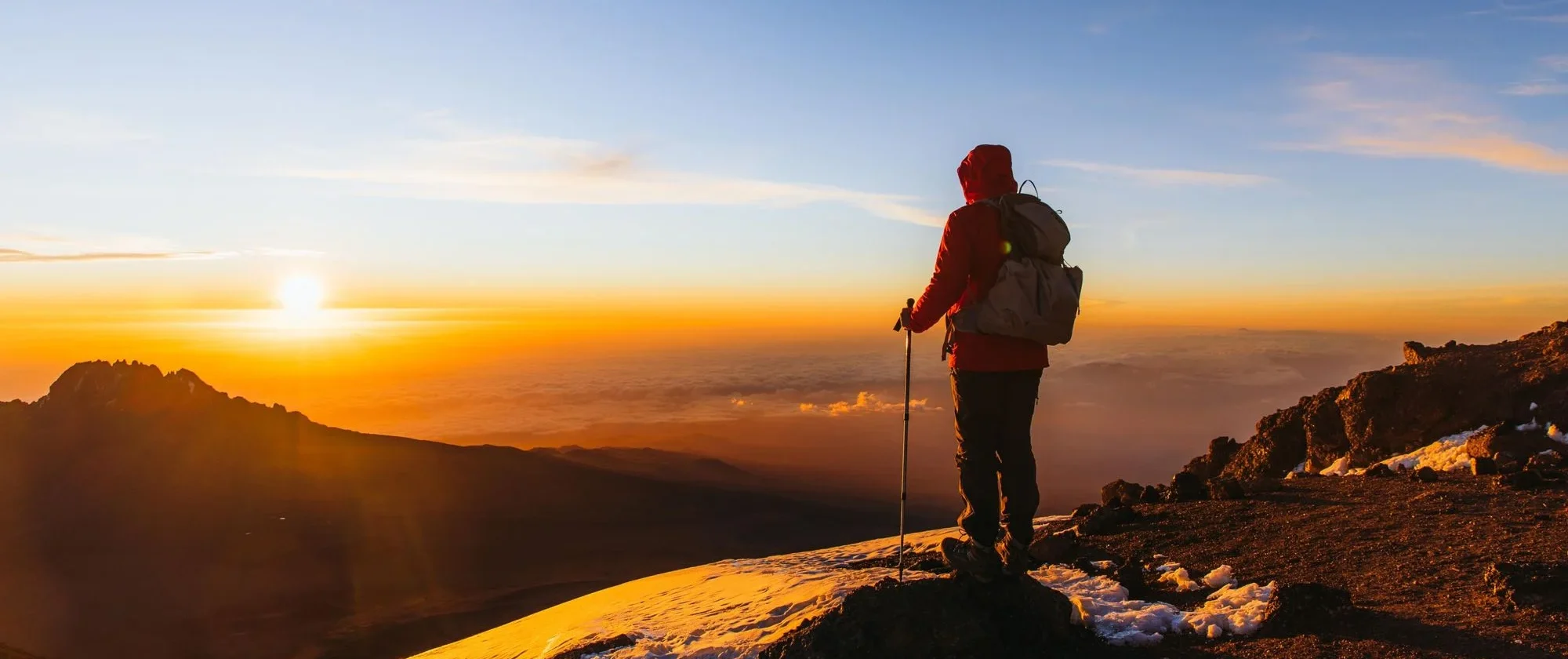
Every route tells its own story. Choosing one that matches your pace and experience is key to success.
Machame Route (7 days) Scenic and Popular.
A favorite among climbers. It winds through lush rainforest, moorlands, and high-altitude deserts before reaching the summit.
Its breathtaking views and strong acclimatization make it the most popular route.
Lemosho Route (8 days) Quiet and Rewarding.
Ideal for those seeking solitude and beauty. It crosses the wild Shira Plateau, offering wide panoramas and excellent acclimatization.
Marangu Route (5–6 days) The Classic Choice.
Known as the “Coca-Cola Route,” it is the only path with hut accommodations. Comfortable, but with less time to adjust to altitude.
Rongai Route (6–7 days) The Northern Approach.
Starting from the northern slopes near Kenya, this route is quiet and dry, offering a peaceful wilderness experience.
Northern Circuit (9 days) The Ultimate Experience.
The longest and most scenic route. It provides the best acclimatization and the highest success rate of all.
At Tanzania Timeless Safaris, we help each traveler choose the perfect route — one that fits their fitness level, timeframe, and personal goals.
Training and Preparation
The climb demands steady physical fitness, not extreme athleticism. Start training eight to ten weeks before departure.
Include cardio workouts, long hikes, and strength exercises. Practice walking uphill with a backpack to simulate real conditions.
Yet, climbing Kilimanjaro is not only physical. It is deeply mental.
Patience, focus, and belief in yourself will push you further than muscle ever could.
Altitude and Acclimatization
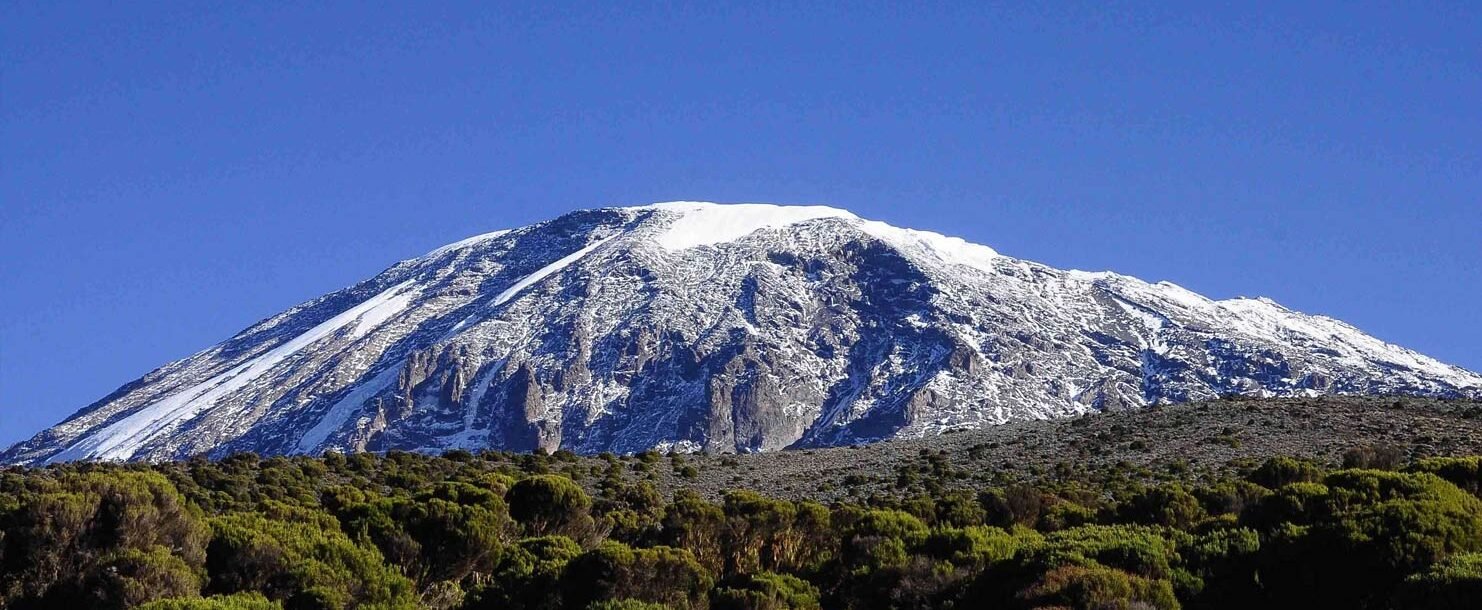
Altitude is the silent challenge of Kilimanjaro. As you climb higher, air becomes thinner.
Choose a route that allows gradual ascent. Rest well, stay hydrated, and walk pole pole which means slowly and steadily.
Our experienced guides at Tanzania Timeless Safaris monitor every climber’s oxygen levels.
They ensure safety and comfort through each stage of the journey, allowing you to focus on the experience rather than the strain.
The Best Time to Climb
The best months to climb are January to March and June to October.
During these periods, the skies are clear and the trails dry. Views stretch endlessly across Tanzania’s plains.
April, May, and November bring rainfall, turning paths muddy. But those months also offer peace and solitude for trekkers seeking a quieter climb.
Whatever the season, Kilimanjaro’s beauty never fades.
Where to Stay Before and After the Climb
Before and after your climb, unwind in comfort at Arusha or Moshi.
Both towns offer a range of accommodations, from charming guesthouses to five-star lodges.
Recommended stays include:
-
Tulia Boutique Hotel & Spa, Arusha — a tranquil retreat for pre-climb relaxation and post-summit recovery.
-
Gran Meliá Arusha — a luxury hotel with refined comfort and sweeping views of Mount Meru.
-
Marangu Hotel — a classic base near the mountain’s foothills.
Our team at Tanzania Timeless Safaris arranges all logistics, ensuring you start and finish your adventure in ease and comfort.

Combine Kilimanjaro With a Safari or Beach Escape
After conquering Africa’s tallest mountain, reward yourself with a Tanzania safari or Zanzibar beach retreat.
Explore the golden plains of the Serengeti, the wildlife haven of Ngorongoro Crater, or the tranquil lagoons of Tarangire National Park.
Then, fly to Zanzibar for turquoise waters and white sands.
It’s the perfect balance between adventure and relaxation — and the ideal way to end your Tanzanian journey.
Why Climb With Tanzania Timeless Safaris
At Tanzania Timeless Safaris, every Kilimanjaro climb is crafted with precision, care, and passion.
Our certified guides, skilled porters, and professional chefs ensure your comfort, safety, and success.
We use premium gear, nutritious meals, and detailed acclimatization plans.
But beyond logistics, we bring heart — the genuine hospitality that defines Tanzania. Our excellent reviews speaks it all.
Every step is more than a climb. It’s a story.
And when you climb with us, that story becomes timeless.
Thoughts From Our Expert.
Climbing Mount Kilimanjaro is a challenge, but it is one worth taking.
It demands effort, courage, and respect for the mountain. But reaching Uhuru Peak, watching the sunrise over Africa, and standing above the clouds, that moment is pure magic.
This is not just a mountain. It is a calling.
With the right preparation and the right team, you can answer it — one step at a time.
Climb with Tanzania Timeless Safaris, and discover how extraordinary your journey can truly be.
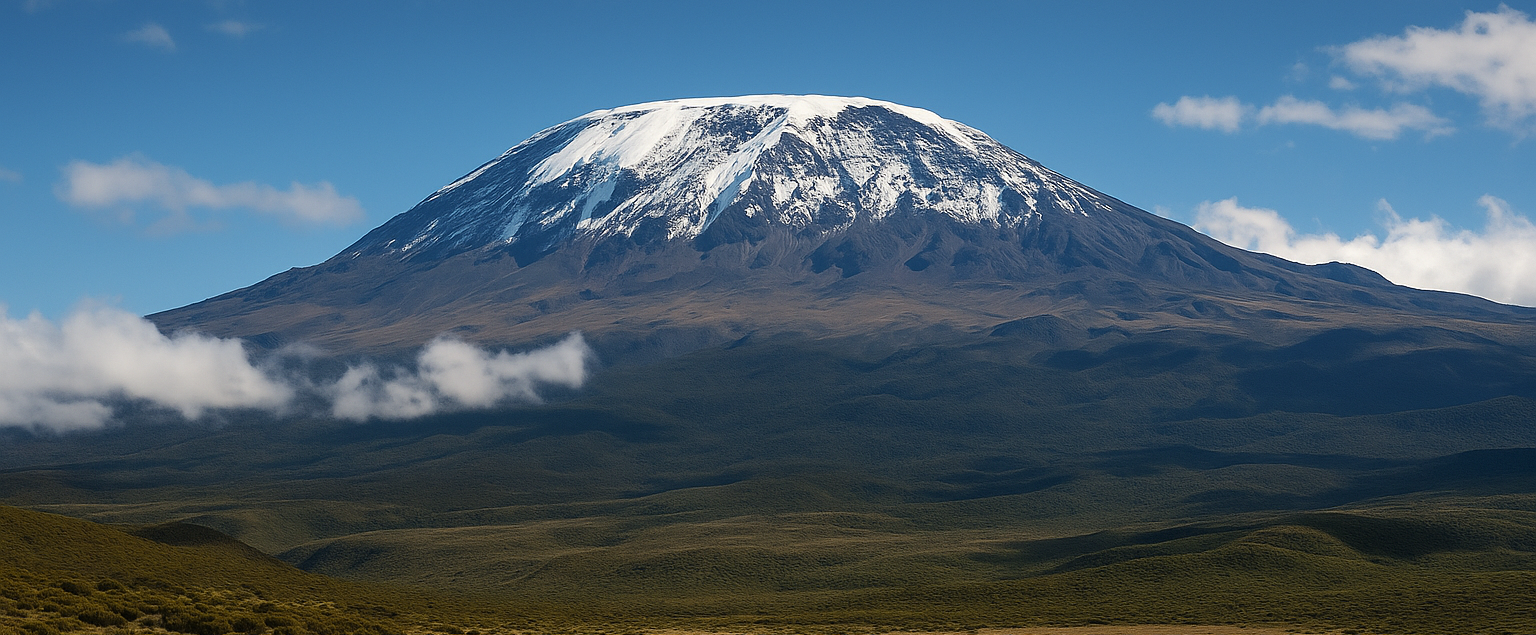
Let’s Help You Plan Your Kilimanjaro Hike Now!!