
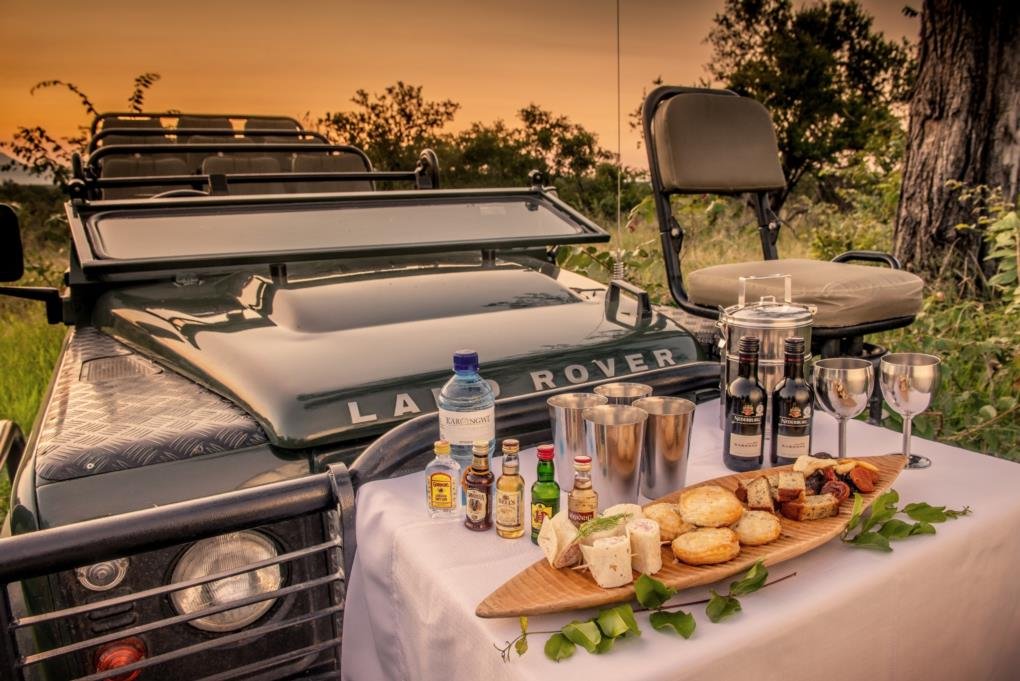
The Best Ruaha National Park Safaris: Expert Guide to Tanzania’s Wild South
Ruaha National Park offers one of Tanzania’s most authentic safari experiences. Its wild, remote setting creates a calm and intimate atmosphere that feels very different from the busier parks of the Northern Circuit. With expansive baobab forests, rugged hills, open plains, and the life-giving Great Ruaha River, the park delivers a sense of untouched wilderness that is becoming rare in Africa. Because Ruaha receives fewer visitors, wildlife behaves naturally, and sightings last longer without pressure. This makes it an exceptional destination for photographers, naturalists, and travelers who value quiet immersion.
Ruaha also sits at a unique ecological crossroads between East and Southern Africa. As a result, you encounter species found in both regions. This includes greater kudu, sable antelope, roan antelope, large elephant populations, and strong predator densities. The park’s diversity surprises even experienced safari travelers. Each day reveals new contrasts, new landscapes, and new wildlife behavior.
Where Ruaha Is Located and Why It Stands Out
Ruaha lies deep in Southern Tanzania and forms part of the vast Rungwa–Ruaha ecosystem. This enormous wilderness stretches across river valleys, highland forests, steep escarpments, and wide grasslands. The Great Ruaha River flows through the heart of the park and becomes a critical water source during the dry months. This river attracts elephants, buffalo, lions, leopards, and numerous antelope species. As you move through different areas of the park, the landscapes shift dramatically, creating a sense of exploration that keeps every day exciting.
What truly sets Ruaha apart is its exclusivity. The park covers a huge area but receives very few visitors compared to Serengeti or Ngorongoro. Because of this, sightings feel quiet and private. You rarely share an animal with more than one or two vehicles, and many times you enjoy the moment entirely alone. This freedom gives Ruaha an unmatched sense of authenticity.
Why Ruaha Is One of Tanzania’s Best Safari Parks
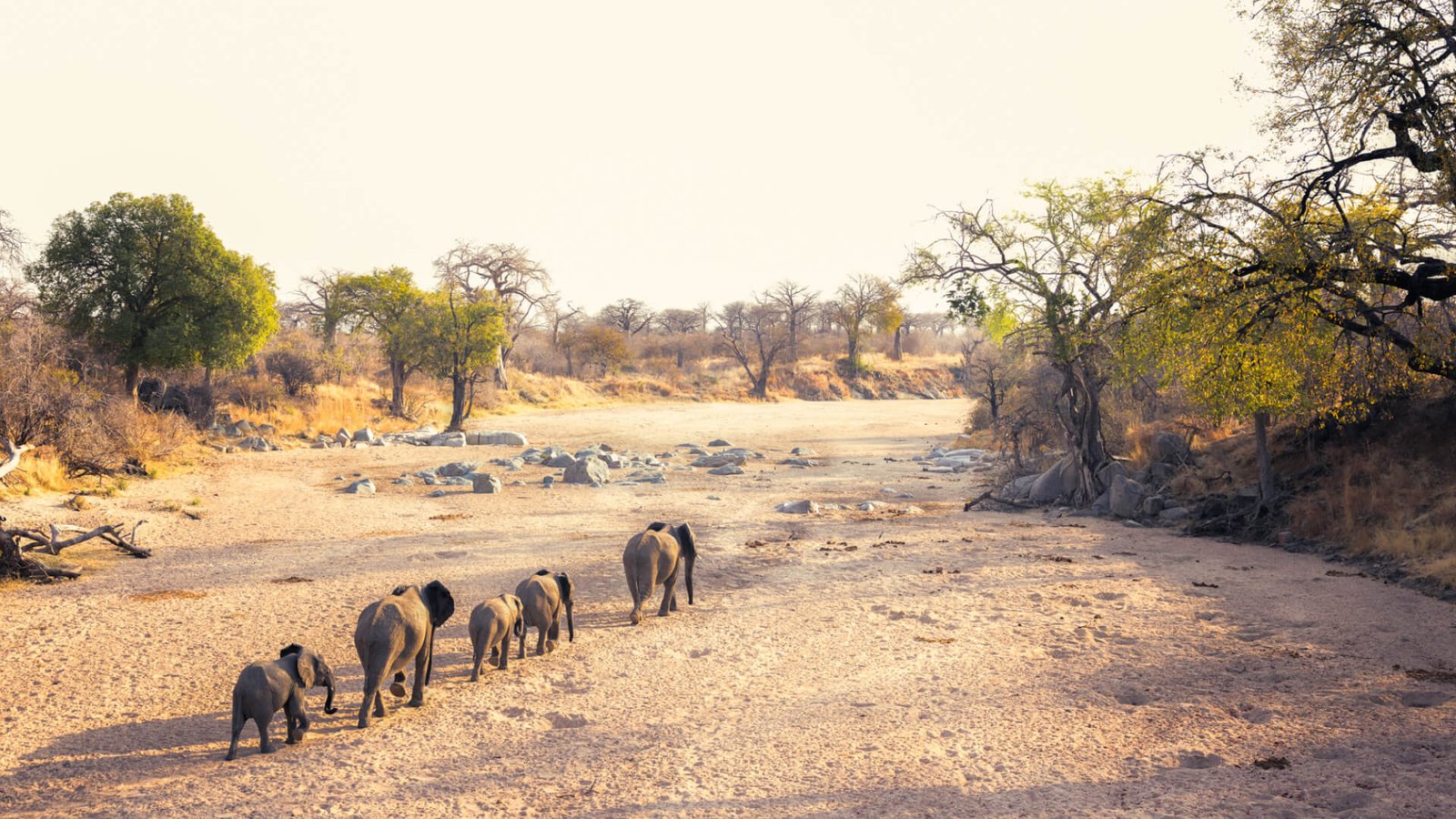
Ruaha consistently ranks among Tanzania’s best parks for several reasons. First, the park hosts one of East Africa’s largest elephant populations. During the dry season, massive herds gather around the Great Ruaha River, creating spectacular scenes for wildlife lovers and photographers. Second, Ruaha holds powerful lion prides that often hunt large prey, including giraffes and buffalo. You may also encounter cheetahs, leopards, hyenas, wild dogs, and smaller predators such as caracals and servals.
The landscape also plays a major role in Ruaha’s reputation. The baobab valleys are some of the most dramatic in Africa, offering iconic silhouettes during golden sunrise and sunset hours. Rugged hills provide sweeping views, while the river channels bring life to the center of the park. Because Ruaha remains quiet throughout the year, your guide can track animals without interruptions, allowing you to follow the full story of each sighting.
Best Time to Visit Ruaha National Park
The dry season, from June to October, offers the most reliable wildlife viewing. Animals move toward permanent water sources, vegetation becomes thinner, and visibility improves. Temperatures stay pleasant, and the light during early mornings and late afternoons is excellent for photography.
From November to March, Ruaha transforms into a green, vibrant landscape. Fresh grass appears, colorful migratory birds arrive, and newborn animals can be seen across the plains. This season is ideal for photographers who enjoy color-rich backdrops and dramatic skies after rain. April and May bring heavier rains, and many camps close during these months, so travel is less recommended. You can also read our Guide to what is the best time to visit Tanzania.
What to Do in Ruaha National Park
Ruaha offers a diverse range of activities that go far beyond standard game drives. These experiences help you understand the ecosystem from different perspectives and create a deeper connection with the landscape.
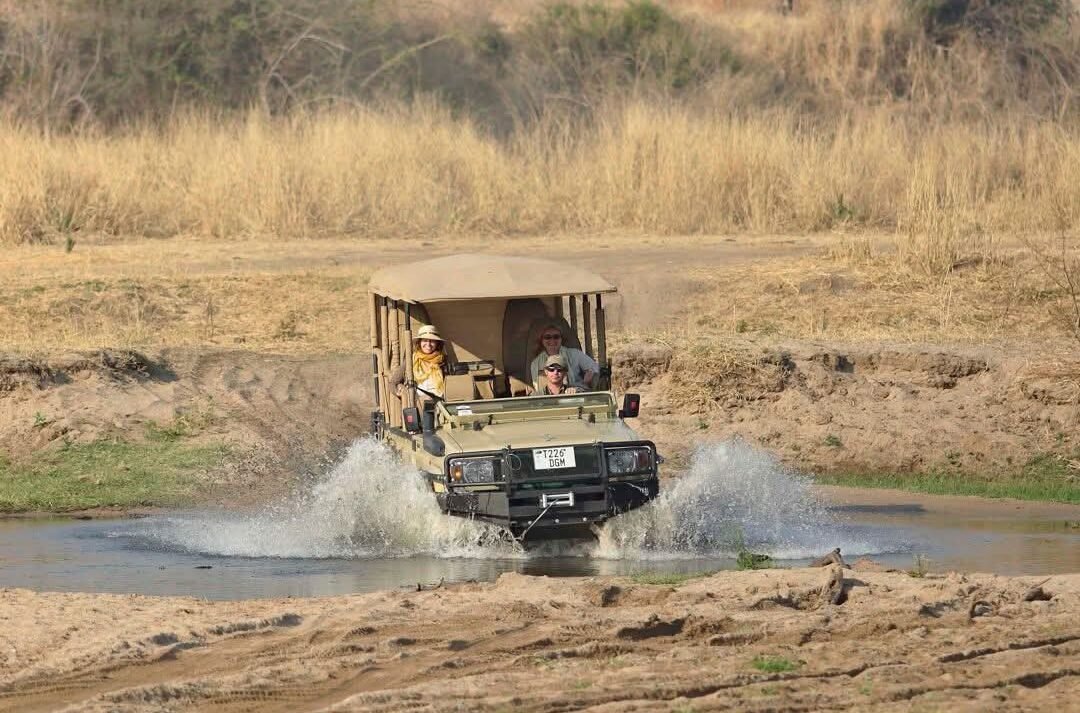
- Guided Game Drives: Morning and afternoon game drives are the main activities in Ruaha. Early drives offer strong predator activity, while afternoon drives provide warm light and excellent photographic moments. Because the park is vast, each area reveals different species, from elephants in the river corridor to lions in the open plains.
- Walking Safaris: Walking safaris are one of Ruaha’s greatest highlights. Guided by armed experts, you explore the bush on foot and learn how to track animals, understand footprints, identify plants, and read the environment. Walking safaris offer a slower, more sensory experience and help you connect with nature on a deeper level.
- Birdwatching: Ruaha is a world-class destination for birdwatchers. With more than 570 recorded species, the park offers an incredible mix of raptors, waterbirds, woodland species, and migrants. The combination of baobabs, riverbanks, and open plains creates ideal habitats for a wide variety of birds throughout the year, especially from November to March.
- Cultural Visits (Near Iringa): Some itineraries include cultural experiences in communities near the Ruaha ecosystem especially Tungamalenga and Makifu. These visits showcase local traditions and daily life in southern Tanzania. Although not inside the park, they complement the safari beautifully and help travelers understand the broader region.
- Fishing for Tiger Fish: Ruaha offers a rare and tightly supervised opportunity to fish inside the park, guided closely by armed rangers for safety and conservation control. The Great Ruaha River—and several smaller seasonal ponds—hold the powerful Tiger Fish, a legendary freshwater predator known for explosive runs and sharp, unforgiving strikes. With expert oversight, you learn how to read the river, identify productive channels, and understand how seasonal water levels influence fish behavior. This blend of calm river landscapes, sudden bursts of action, and deep wilderness atmosphere creates a distinctive Ruaha experience that appeals to serious anglers and adventurous travelers alike.
- Night Drives (In Select Conservancies): Night drives are currently not conducted inside Ruaha National Park itself, but some partner conservancies and lodges offer them nearby. Seeing nocturnal animals—such as civets, genets, porcupines, and occasionally leopards—adds excitement and variety to your safari.
- Dedicated Photography Sessions: Many travelers visit Ruaha specifically for wildlife photography. Some camps offer specialized photographic vehicles or private guides who help you position the vehicle, understand light, and anticipate animal behavior. Ruaha’s open landscapes and quiet sightings make it one of Tanzania’s most rewarding photography destinations.
Expert-Recommended Ruaha Safari Itineraries
If you want a balanced introduction to the Southern Circuit, the 7-Day Nyerere and Ruaha Safari works perfectly. You begin in Nyerere with boat safaris and gentle wildlife viewing, then continue to Ruaha for deeper, more rugged encounters. This combination offers two ecosystems with strong diversity.
For travelers who prefer a slower pace, the 8-Day Pure Ruaha Wilderness Safari is an excellent choice. Spending five nights inside Ruaha allows you to follow animal movements, explore different sections of the park, and enjoy long, calm days in nature. Adding Mikumi on the return journey provides a comfortable stopover.
Those wanting maximum variety should consider the 10-Day Ultimate Southern Tanzania Safari, which includes Nyerere, Ruaha, Mikumi, and Udzungwa. This route blends wildlife, river experiences, and forest hikes, making it ideal for travelers who enjoy mixed ecosystems.
If time is limited, the 6-Day Fly-In Ruaha Safari offers a premium option with minimal travel time. Flying directly into the park allows you to settle into a luxury camp and enjoy full days of immersive game viewing without long road transfers.
Best Camps and Lodges in Ruaha
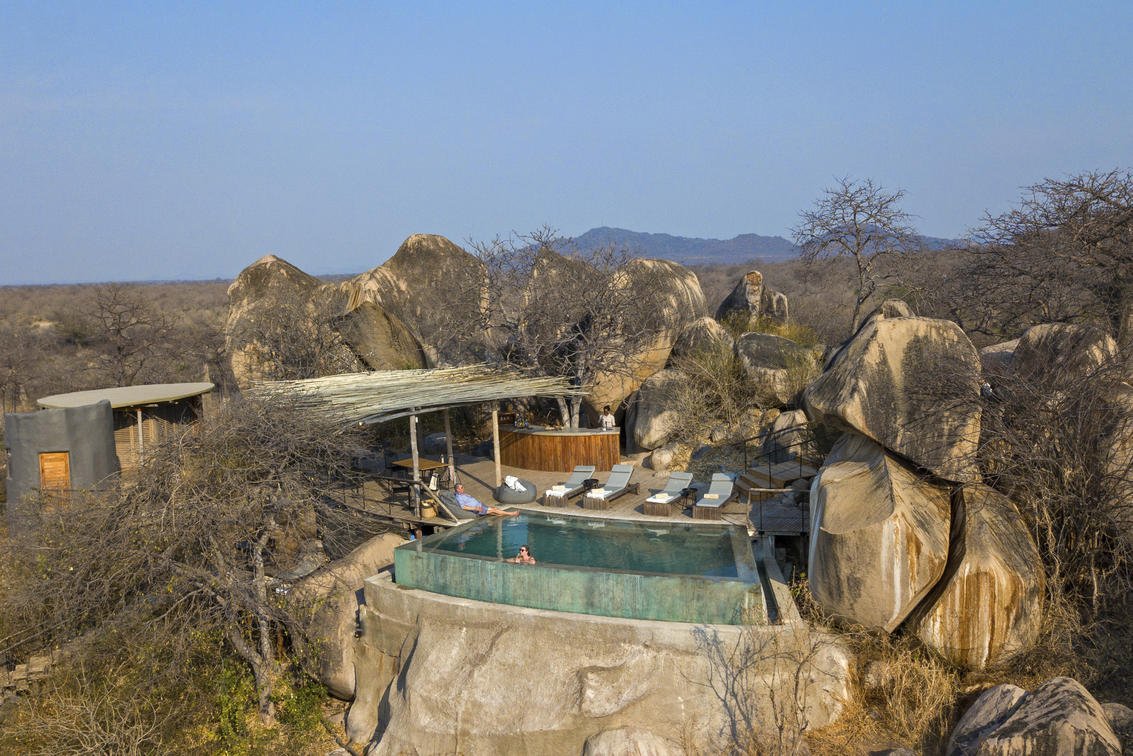
Ruaha delivers some of the highest-quality safari camps in East Africa. Jabali Ridge (Asilia Africa) offers dramatic architecture, luxury suites, and sweeping views from its elevated boulder setting. Kwihala Camp (Asilia Africa) is known for top-tier guiding and an intimate wilderness feel. Ikuka Safari Camp sits on a hilltop with one of the best sunset views in the entire region.
For midrange travelers, Ruaha River Lodge provides comfortable stone chalets overlooking the river, where elephants often pass by. Mdonya Old River Camp offers a rustic, classic safari experience with strong wildlife presence around the tents.
What to Expect on a Ruaha Safari
A Ruaha safari feels relaxed and unhurried. Morning game drives start early, when predators remain active. Later in the day, you explore riverbanks and baobab valleys where elephants, kudu, giraffes, and antelope graze in the warm light. Walking safaris give you a close look at tracks, plants, and small creatures that often go unnoticed from a vehicle. Because the park stays quiet, your guide can take time to read the land and follow animal behavior without distraction.
What Makes a Ruaha Safari Different From the Serengeti?
Ruaha offers a more private and raw experience compared to Serengeti. The Serengeti delivers bigger herds, larger volumes of wildlife, and famous migration events, but it also attracts more visitors. Ruaha, on the other hand, gives you space and silence. You often stay alone at sightings, and your guide never rushes. The focus stays on atmosphere, natural behavior, and slow, meaningful encounters. This makes Ruaha ideal for second-time safari travelers and those who prefer deep immersion over fast-paced game viewing.
The landscapes also differ significantly. Ruaha’s baobab forests, rugged hills, and wide, empty valleys create a setting that feels truly wild. Serengeti is open and endless, while Ruaha feels remote and ancient. Both parks complement each other beautifully, and many travelers choose to visit both during separate trips.
Practical Tips for Planning the Best Ruaha Safari
Planning a Ruaha safari requires a slightly different approach compared to the Northern Circuit. The park is remote, so it is best to combine it with a fly-in transfer unless you are already exploring the Southern Circuit by road. Additionally, choosing a camp with strong guiding standards matters because wildlife spreads widely across Ruaha’s multiple habitats. A knowledgeable guide understands seasonal patterns, river movement, and predator territories, which dramatically improves your sightings.
Travelers should also consider staying at least three nights inside the park. This allows enough time to explore the baobab valley, the river corridor, and the open plains. Because Ruaha is large, each day reveals new landscapes and wildlife behavior. Longer stays improve your chances of seeing lions hunt, elephants interact, and rare species such as sable or wild dogs move through the bush.
Frequently Asked Questions About Ruaha National Park
Is Ruaha worth visiting?
Yes. Ruaha offers some of Tanzania’s best predator action, large elephant herds, and quiet, uncrowded safaris. It is ideal for photographers and wildlife enthusiasts.
How many days do you need in Ruaha?
A minimum of three nights works well, but four to five nights offer a much deeper and more rewarding experience.
Is Ruaha safe?
Yes. The park is remote, well-managed, and guided by trained professionals. Camps follow strict safety standards.
What animals can I expect to see?
Elephants, lions, leopards, cheetahs, wild dogs, kudu, sable, roan, buffalo, hippos, and over 570 bird species.
How do you get to Ruaha?
The easiest route is a direct flight from Dar es Salaam, Zanzibar, or Nyerere National Park using Coastal Aviation or Auric Air.
Is Ruaha good for families?
Yes. Many camps offer family suites, private vehicles, and gentle educational experiences for children.
When is the best time to photograph Ruaha?
June to October offers clear visibility and excellent light. November to March provides lush landscapes and dramatic colors after rainfall.
Your Ruaha Adventure Begins With Expert Hands
Ruaha National Park represents the true soul of wild Tanzania. Its quiet valleys, powerful wildlife, and dramatic landscapes offer an experience that stays with you long after the journey ends. With expert planning, thoughtful guiding, and the right camp selection, a Ruaha safari becomes one of the most meaningful adventures you can have in Africa. Whenever you are ready to explore this remarkable region, Tanzania Timeless Safaris will help you experience Ruaha at its best—with care, precision, and deep local expertise Contact us now. Read our TripAdvisor and SafariBooking Reviews.