
The Great Wildebeest Migration: Facts You Must Know
Every year, nature stages one of its most breathtaking shows — The Great Wildebeest Migration. Across the endless plains of the Serengeti–Mara ecosystem, millions of animals move together in search of fresh grass, water, and life itself.
At Tanzania Timeless Safaris, we believe understanding this spectacular journey adds a deeper layer to your safari experience. Here’s everything you need to know about the Great Migration — when it happens, why it happens, and how you can witness it for yourself.
The Largest Land Migration on Earth
The Great Wildebeest Migration is the world’s biggest movement of land animals. More than 1.5 million wildebeest, along with hundreds of thousands of zebras and gazelles, follow a circular path between Tanzania’s Serengeti and Kenya’s Masai Mara.
Together, they cover over 1,800 miles every year. This incredible spectacle has rightly earned its place among the Seven Natural Wonders of Africa.
The Migration Never Stops — It’s a Year-Round Journey
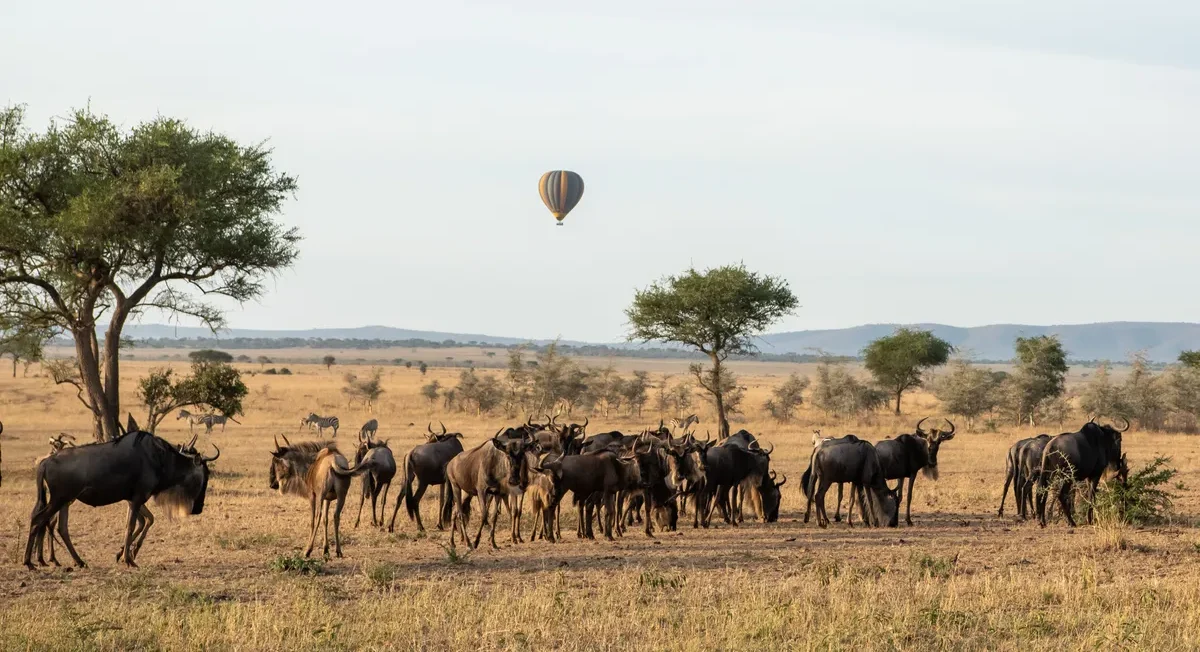
Many travelers imagine that the migration happens once a year, but in truth, it never ends. The herds move continuously in a clockwise pattern, following the rhythm of the rains and new grass growth.
Here’s how the journey unfolds month by month:
-
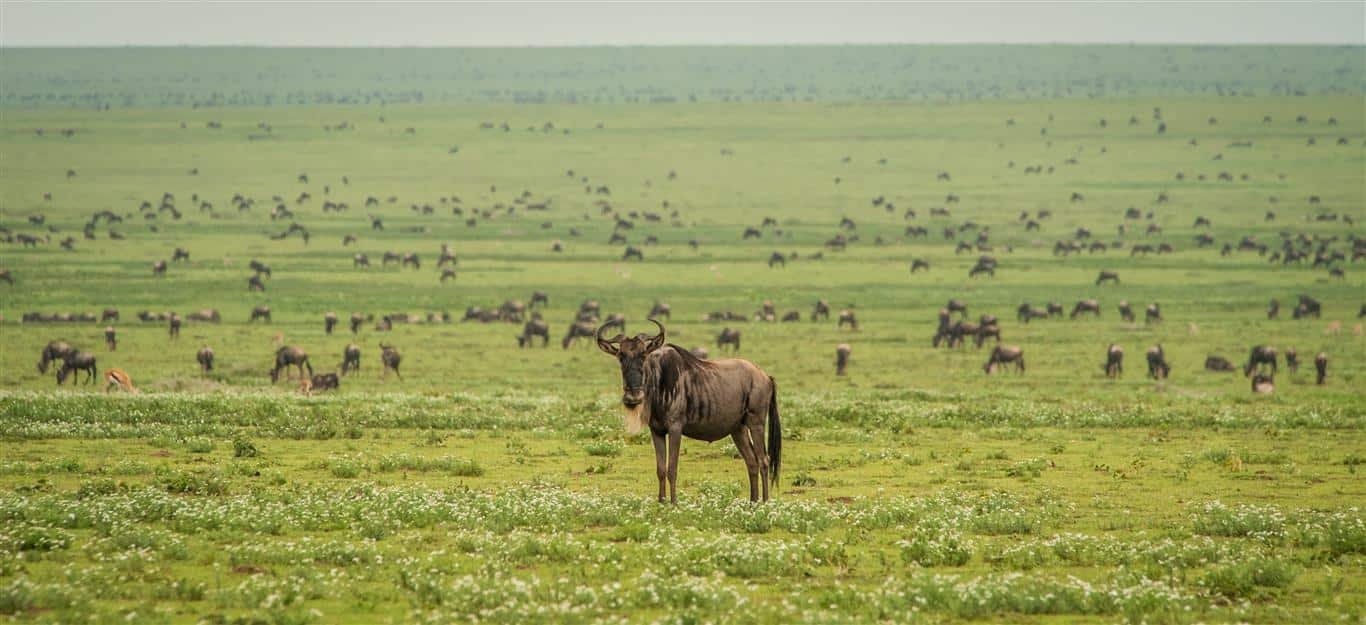
January to March: The herds gather in southern Serengeti, near Ndutu. This is the calving season, when nearly 500,000 calves are born within just a few weeks. It’s also the best time to witness predator action.
-
April to May: The herds start moving north through central Serengeti, painting the plains with motion as far as the eye can see.
-
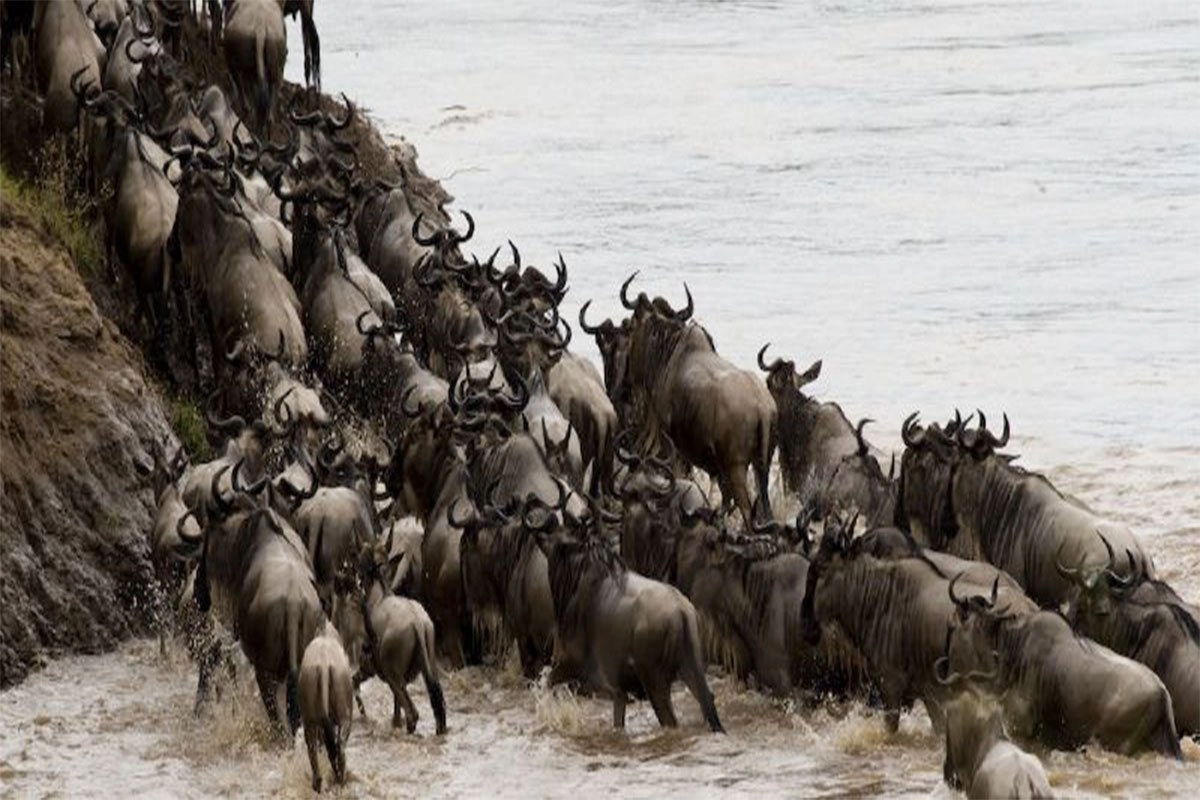
June to July: The Grumeti River crossings begin in western Serengeti — a dramatic battle between wildebeest and crocodiles.
-
July to September: The herds reach the Mara River on the northern edge of Serengeti, crossing into Kenya’s Masai Mara. This is the most famous and thrilling stage of the migration.
-
October to December: The herds return southward, completing the circle and preparing once again for the next calving season.
This continuous rhythm shows how deeply life in East Africa depends on the rains, the grass, and the instinct to survive.
A Journey of Danger and Survival
Every step of the migration tells a story of life and loss. Along the way, wildebeest face countless challenges — predators, exhaustion, and the elements.
Lions wait near waterholes. Cheetahs and hyenas target the young or weak. Massive Nile crocodiles lurk beneath muddy riverbanks. It’s estimated that more than 250,000 wildebeest die each year, yet the circle continues — ensuring that the Serengeti remains a living, breathing wilderness.
The Role of Zebras and Gazelles
The migration isn’t a wildebeest show alone. Zebras and gazelles play a vital part in this ecosystem.
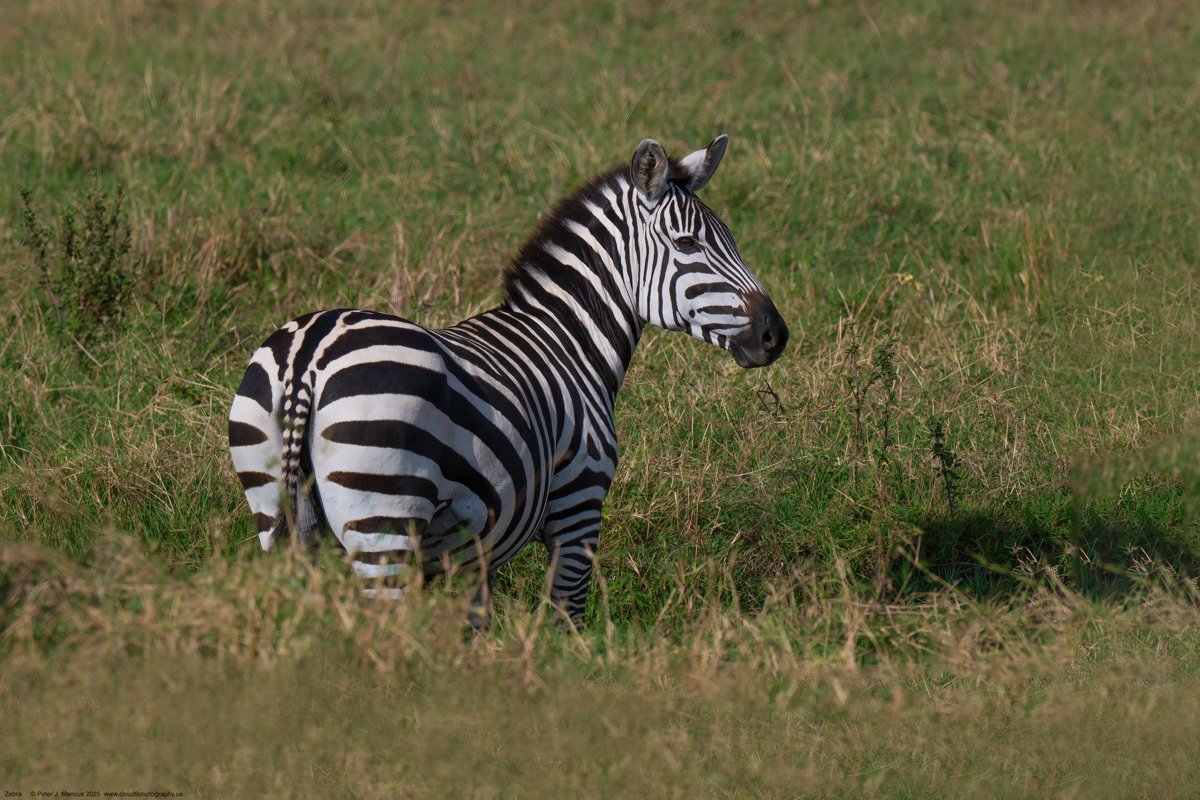
Zebras graze on the taller, tougher grasses, clearing the way for wildebeest to feed on the softer shoots that follow. Gazelles then browse on the short, nutrient-rich growth left behind.
This beautiful symbiosis keeps the herds together and ensures that food is shared efficiently across the savannah. It’s nature’s perfect example of teamwork.
Guided by Rain and Grass
Unlike most migrations that follow a strict calendar, the wildebeest move according to rainfall patterns. When the first rains fall in the southern plains, the herds follow. When the grass dries, they move on.
This dependence on rain makes each year’s timing slightly different. It’s one of the reasons why traveling with experienced guides from Tanzania Timeless Safaris is so valuable — we know the patterns, and we know where to find the herds at every stage.
How the Migration Shapes the Ecosystem
The Great Migration isn’t just a spectacle — it’s a vital force in maintaining East Africa’s ecological balance.
As millions of hooves move across the plains, they help aerate the soil, spread seeds, and fertilize the land. Their constant motion ensures fresh grass growth, sustains predators, and keeps the savannah alive.
Without the migration, much of the Serengeti’s biodiversity would fade away. It’s truly the heartbeat of the ecosystem.
Best Times to Witness the Migration
Every stage of the migration offers something unique, and the best time to visit depends on what you want to experience.
-
January to March – Calving Season (Ndutu, South Serengeti):
Ideal for photographers and wildlife enthusiasts. You’ll see newborn calves, predator hunts, and dramatic scenes of life beginning on the plains. -
June to July – Grumeti River Crossings (Western Serengeti):
Perfect for those who want to witness the tension and courage of the first crossings. -
July to September – Mara River Crossings (Northern Serengeti):
The most dramatic phase, when thousands of wildebeest plunge into crocodile-filled waters. -
October to December – Southward Return:
A quieter time to enjoy the beauty of the Serengeti with fewer crowds but still plenty of action.
Whichever period you choose, your safari with Tanzania Timeless Safaris will bring you close to the heart of this natural wonder.
The Importance of Conservation
The Great Migration depends on open, unfenced landscapes. However, threats such as climate change, poaching, and land development can disrupt migratory routes.
Thankfully, areas like Serengeti National Park and Ngorongoro Conservation Area in Tanzania are strongly protected. Sustainable tourism also plays a key role. By traveling responsibly and supporting eco-conscious operators, you help preserve this natural miracle for future generations.
Thoughts From Our Expert
The Great Wildebeest Migration is more than a wildlife event — it’s a timeless story of endurance, instinct, and balance. Each year, millions of animals move across Tanzania’s golden plains, reminding us of nature’s raw power and beauty.
Whether you’re standing on the Ndutu plains during calving or watching a river crossing in Serengeti, you’ll feel the same heartbeat of the wild that has echoed for centuries.
At Tanzania Timeless Safaris, we invite you to experience this breathtaking phenomenon up close. Our expert guides know when and where to find the herds, ensuring your safari is safe, unforgettable, and deeply connected to nature.