
A Short, Honest Comparison for Safari Travelers
Both Tarangire National Park and Lake Manyara National Park are close to Arusha.
They are perfect for short safaris or day trips.
Each park offers something unique. Tarangire shines with elephants and baobabs, while Manyara feels lush, calm, and full of birds.
This guide will help you choose the park that fits your safari style best.
Quick Recommendation
-
Choose Tarangire for elephants, baobabs, and wide open landscapes.
-
Choose Lake Manyara for forest beauty, flamingos, and easy access.
-
Visit both if you can. Many travelers start with Tarangire and end with Manyara for a perfect mix of adventure and relaxation.
Wildlife & Scenery
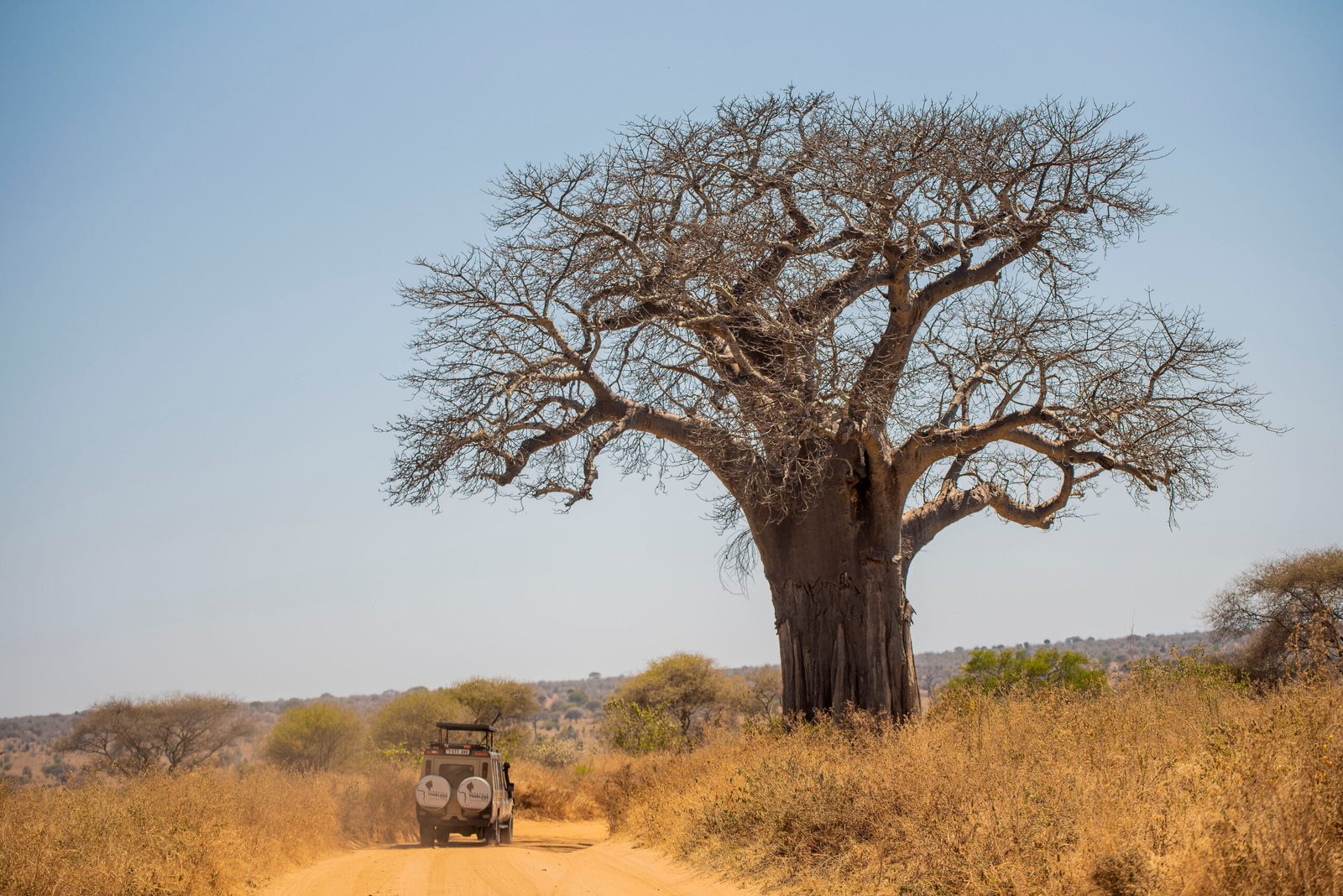
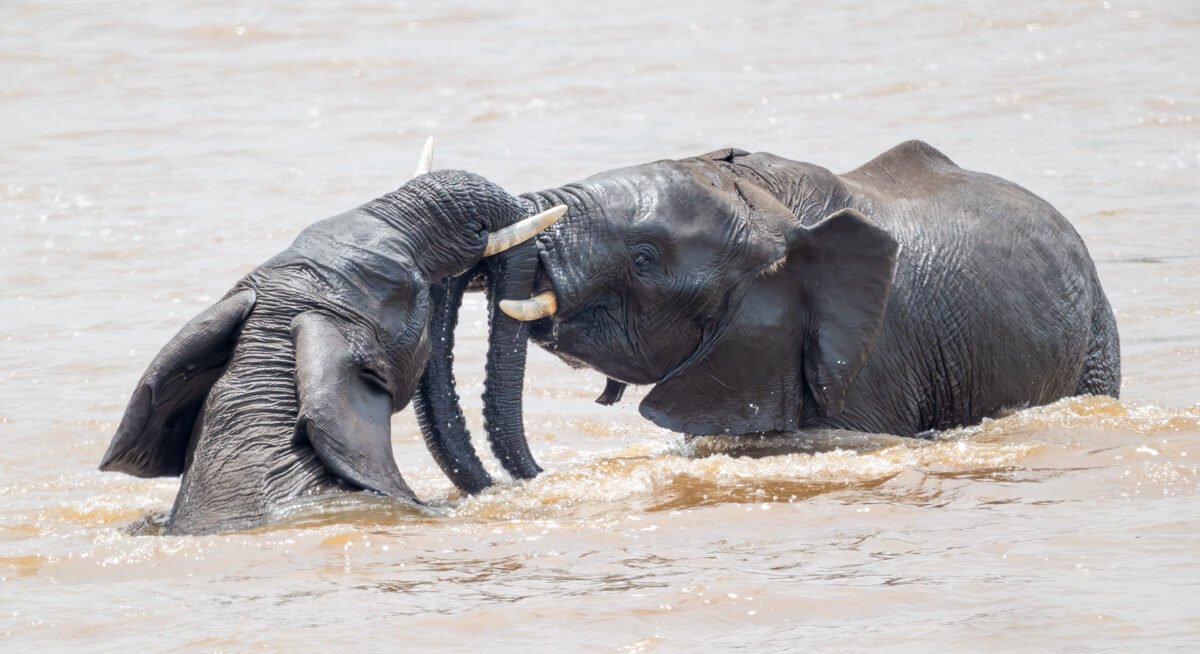
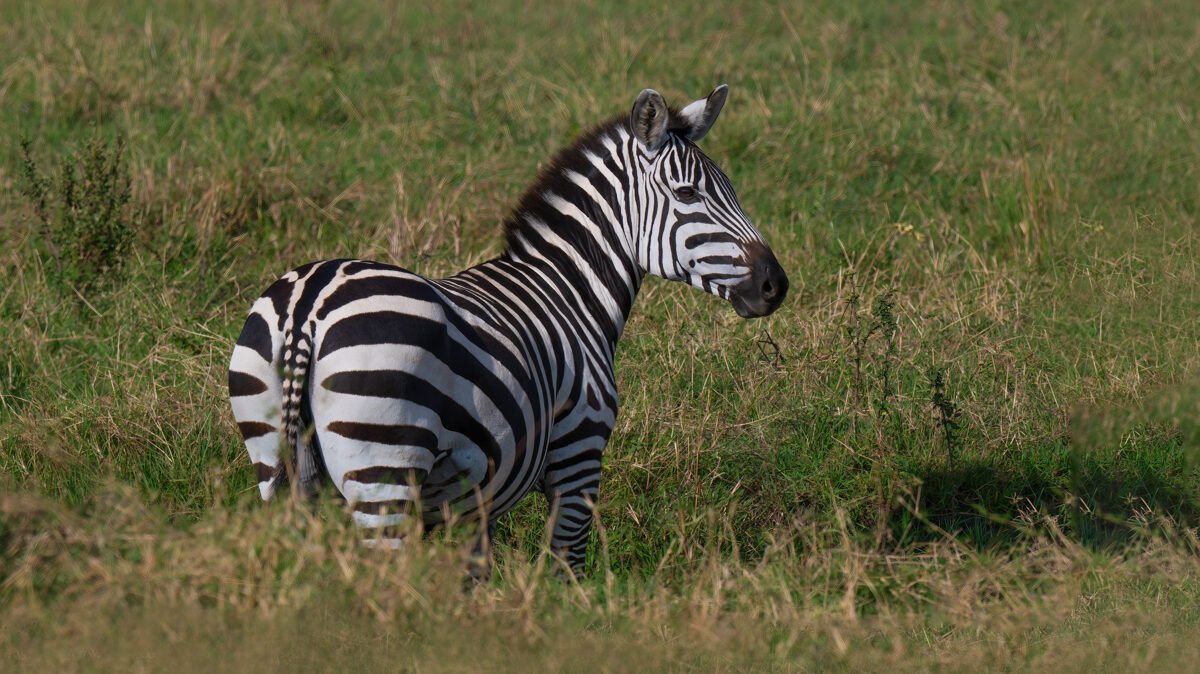
Tarangire National Park is often called the home of elephants, and with good reason. From July to October, hundreds gather around the Tarangire River, creating spectacular scenes. Massive baobab trees rise above golden plains, while giraffes, zebras, and wildebeest graze nearby. Lions and leopards patrol the grasslands, and the sunsets here are pure magic. The park feels raw and untamed, yet peaceful and less crowded than Serengeti.
Lake Manyara National Park, in contrast, feels more intimate. Its dense groundwater forest provides welcome shade, alive with monkeys, hornbills, and butterflies. As you approach the shimmering lake, you may spot hippos resting in the shallows and flamingos glowing in the sunlight. Occasionally, you might even see the park’s legendary tree-climbing lions. Manyara is compact and easy to explore, making it ideal for families or travelers on a tight schedule.
Best Time to Visit These Parks.
Both parks reward visitors year-round, but their highlights differ.
Tarangire is best from July to October, when animals gather near the river and vegetation is sparse. Game viewing is easy, the light is golden, and the park bursts with life. From November to June, the park turns green and quiet, attracting bird lovers with hundreds of species.
Lake Manyara stays beautiful throughout the year, though its charm peaks between November and June. The forest grows lush, flamingos cover the lake, and waterfalls flow from the Rift Valley cliffs. During the dry months of July to October, wildlife spreads out, but the views remain stunning.
If possible, time your safari to visit both — Tarangire for dry-season drama and Manyara for green-season beauty.
Logistics & Driving Times
Both parks are within easy reach of Arusha, making them convenient for day trips or short safaris.
The drive to Tarangire takes about 2.5 hours (120 km), while Lake Manyara lies only 2 hours away (110 km). Traveling between the two takes roughly 1.5 hours, so combining them in one journey is simple.
You can easily start from Arusha, explore Tarangire, continue to Manyara, and then head on to Ngorongoro Crater.
The roads are good, and the journey passes through scenic villages and landscapes filled with Maasai herds and acacia trees.
Costs & Day Trip vs Overnight
Tarangire is worth staying overnight. Early mornings and late afternoons offer the best light and wildlife activity. Night sounds—lions calling and elephants moving through the grass—add a wild charm you can’t feel on a quick visit.
Lake Manyara, by contrast, is perfect for a half-day safari. The park is small and close to town, so it’s ideal for travelers with limited time. A single game drive covers most habitats—from thick forest to open lake shore.
If you can, stay one night in Tarangire and stop at Manyara the next day. It’s an easy way to balance excitement with relaxation.
Who Should Choose Which?
Families often enjoy Lake Manyara. It’s compact, gentle, and full of variety without long drives.
Photographers and wildlife enthusiasts usually prefer Tarangire. The elephants, baobabs, and warm light create scenes that are truly unforgettable.
First-time visitors often combine both parks for contrast—open savannahs in Tarangire and rainforest beauty in Manyara.
Birders adore Manyara for its rich species list, while adventure seekers love Tarangire’s raw energy and quiet wilderness.
There’s no wrong choice here—just different moods of the same Tanzanian story.
Suggested Day Plans
Full-Day Tarangire Safari:
Leave Arusha early and arrive at the park gate by mid-morning. Spend the day exploring the riverbanks and open plains, stopping for a picnic under baobabs. Expect elephants, lions, and countless giraffes. In the evening, drive back to Arusha or stay overnight inside the park at Kankari Lodge or Baobab Tented Camp for a truly timeless experience.
Half-Day Lake Manyara Adventure:
Depart Arusha mid-morning and enter the park through the forested gate. Watch monkeys leap between trees and elephants emerge from the shadows. Continue toward the lakeshore for views of flamingos, hippos, and pelicans. After lunch, return to Arusha or head onward to Ngorongoro Crater.
Plan Your Safari
Still deciding which park to include?
Let our experts guide you. We’ll match your time, interests, and budget to the perfect route.
Our safaris include professional driver-guides, 4×4 Land Cruisers, and carefully selected lodges that combine comfort with authentic adventure.
Related Posts.
FAQ – Tarangire vs Lake Manyara
Q1. Can I visit both parks in one trip?
Yes. The parks are close, and many travelers combine them for a 3- or 4-day safari.
Q2. Which park has more elephants?
Tarangire. From July to October, huge herds gather near the river.
Q3. Is Lake Manyara good for first-timers?
Definitely. It’s small, scenic, and perfect for an easy introduction to safari life.
Q4. Can I do a day trip from Arusha?
Yes. Both parks are within two to three hours of the city.
Q5. Which park is better for photography?
Tarangire. The golden light, wide views, and baobabs make every shot special.
Your Journey, Our Expertise
At Tanzania Timeless Safaris, we know these parks by heart.
Our guides grew up near them and understand every trail, riverbend, and lookout point.
Whether you want Tarangire’s wild beauty, Manyara’s gentle charm, or both, we’ll design a safari that flows perfectly and feels effortless.
Tanzania awaits — timeless, wild, and welcoming.